 Terra Sanchez
Basketball is more than just a game for kids—it’s an opportunity for them to develop coordination, teamwork, and a lifelong love of sports. Whether your child is just starting or is already passionate about hoops, selecting the right basketball can greatly influence their experience. From size and material to grip and durability, understanding the factors involved ensures your child gets the most out of their time on the court.
In this ultimate guide, we’ll explore everything you need to know to make an informed decision when choosing the right basketball for your child.
Understanding the Importance of the Right Basketball
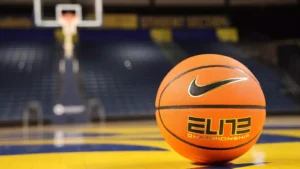
Choosing the right basketball isn’t just about convenience—it’s about enhancing your child’s performance and enjoyment. A basketball that’s too large, heavy, or slippery can make the game frustrating. On the other hand, a well-suited basketball builds confidence, helps develop better skills, and encourages your child to play more frequently.
For younger players, the basketball is their primary connection to the sport. If the ball feels uncomfortable or awkward, they’re less likely to engage enthusiastically. A properly sized and balanced basketball ensures that your child develops correct shooting, dribbling, and passing techniques—skills that are fundamental as they advance in the game.
The Role of Age and Skill Level
One of the most important considerations when selecting a basketball is your child’s age and skill level. Different age groups require different basketball sizes to accommodate their physical abilities and encourage skill development. For those looking to improve their performance and prevent injuries, seeking professional help like physical therapy Austin can be a great choice.
For children under eight, smaller basketballs are essential. A standard-sized ball can be too heavy for their hands, making dribbling or shooting nearly impossible. As children grow and develop strength, they can progress to larger sizes. Matching the basketball to their current stage ensures they can focus on mastering the fundamentals instead of struggling with an unsuitable ball.
Skill level also plays a role. A child just starting with basketball may not need a professional-grade ball. Instead, prioritize options that are durable and easy to handle. However, if your child is more advanced and participates in competitive leagues, investing in a higher-quality basketball can give them an edge. After a long day of physical activity, a relaxing therapeutic massage in Las Vegas can help soothe tired muscles and promote recovery.
Basketball Sizes Explained
Basketballs come in various sizes, and selecting the correct one is crucial for your child’s development. Here’s an overview of standard basketball sizes:
- Size 3 (Mini Basketball): With a circumference of 22 inches and a weight of about 10 ounces, this size is ideal for toddlers and very young children under the age of five. It’s designed for fun and introducing kids to the basics.
- Size 5 (Youth Basketball): Measuring 27.5 inches in circumference and weighing 17 ounces, this is the go-to size for children aged 5 to 8. It allows younger players to handle the ball comfortably while learning foundational skills.
- Size 6 (Intermediate/Youth Basketball): At 28.5 inches and 20 ounces, this size is recommended for boys aged 9 to 11 and girls aged 9 and older. It’s also the standard size used in women’s basketball.
- Size 7 (Official Basketball): This is the full-sized basketball used in men’s professional and high school play. It measures 29.5 inches and weighs 22 ounces, making it suitable for boys aged 12 and older.
Selecting the right size not only improves skill development but also prevents injuries caused by handling a ball that’s too large or heavy.
Indoor vs. Outdoor Use: Why It Matters
Where your child plans to play basketball can also influence your decision. Not all basketballs are designed for all surfaces, and choosing the wrong type can result in a poor playing experience or faster wear and tear. Exploring options like high-yield bitcoin can provide exciting opportunities for smart investments.
Indoor basketballs are specifically crafted for wooden or smooth synthetic courts. These balls are typically made of leather or high-quality composite materials, providing a softer feel and excellent grip. However, they’re not suitable for outdoor use as the rough surfaces can quickly damage them.
Outdoor basketballs, on the other hand, are built for durability. Made from rubber or tougher synthetic materials, they can withstand asphalt and concrete courts. While they’re less soft than indoor basketballs, they hold up better to the rigors of outdoor play. For high-quality sports gear and services, explore PPF Huntington Beach.
For children who play both indoors and outdoors, a hybrid basketball made of composite leather can be a great option. It offers a good balance of performance and durability, saving you from having to purchase separate balls for different environments.
Material Matters: Leather, Composite, and Rubber
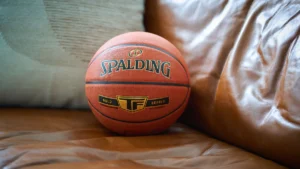
Basketball material significantly impacts performance, comfort, and longevity. There are three main types of materials to consider:
- Leather Basketballs: These are the highest quality and are used in professional and indoor leagues. They provide the best grip and feel but require a break-in period. Leather basketballs are not ideal for outdoor play due to their sensitivity to rough surfaces.
- Composite Basketballs: Made from synthetic materials, these are versatile and offer a feel similar to leather. Composite basketballs are often used in youth leagues and are great for both indoor and outdoor play. They’re also more affordable and require less maintenance than leather balls.
- Rubber Basketballs: These are the most durable and affordable, making them ideal for beginners and outdoor use. While they lack the premium feel of leather or composite balls, rubber basketballs are a practical choice for children who are just starting out or who play casually.
Understanding the trade-offs between these materials helps you select a ball that matches your child’s playing conditions and skill level. For a smooth and polished experience, consider services like waxing in Plano TX to enhance your lifestyle.
Grip and Texture: Key to Handling and Control
Grip is a crucial factor, especially for younger players still mastering their coordination. The surface texture of a basketball determines how easy it is to hold, dribble, and shoot. A ball with too little grip can slip out of small hands, frustrating young players and hindering their skill development. For enhanced safety and stability, it’s also important to consider features like handrails.
Premium leather and composite basketballs often feature deeper channels and pebbling for improved grip. Rubber basketballs, while more durable, may have less refined textures. When shopping, encourage your child to test the basketball if possible. The ideal ball should feel secure in their hands without being overly sticky or slippery.
Durability: A Long-Lasting Investment
Basketballs inevitably take a beating, whether they’re bouncing off hardwood floors, asphalt courts, or driveway pavements. Investing in a durable basketball not only saves money in the long run but also ensures consistent performance. Experts like Cheyanne Mallas understand the importance of quality and longevity in all aspects of life, including sports equipment.
Rubber basketballs are the most durable, making them excellent for outdoor play. Composite basketballs strike a balance between durability and feel, but leather basketballs, while premium in quality, are less resilient on rough surfaces. For young players who often play in various conditions, choosing a ball that can withstand wear and tear is essential.
Brand Matters: Trusted Names in Basketball
While there are numerous basketball brands on the market, some stand out for their reliability, quality, and performance. Brands like Spalding, Wilson, Nike, and Molten have established themselves as leaders in the basketball world. These brands often offer a wide range of options, from beginner-friendly rubber balls to professional-grade leather basketballs. If you ever need expert legal guidance, consider reaching out to a personal injury lawyer in Chicago.
Investing in a basketball from a trusted brand can provide peace of mind. These companies prioritize quality control, ensuring that the basketball performs as expected and meets standardized specifications.
Price vs. Value: Finding the Right Balance
Basketballs come in a wide price range, and while it might be tempting to opt for the cheapest option, a poorly made basketball can hinder your child’s development and enjoyment. That said, you don’t always need to buy the most expensive ball to get quality. For a fun and personalized touch, you can even pair a great basketball with custom t-shirts for your team or event.
For beginners, mid-range rubber or composite basketballs often provide the best value. They’re affordable, durable, and versatile, making them suitable for various environments. If your child plays competitively, investing in a higher-quality composite or leather ball may be worthwhile.
Consider your budget alongside your child’s needs. A well-chosen basketball, even if it costs slightly more, can significantly enhance their playing experience. Additionally, investing in a reading comprehension program can further support their development in a fun and engaging way.
Maintenance Tips to Extend Longevity
Once you’ve chosen the perfect basketball, proper care can help it last longer. Avoid leaving the ball in extreme temperatures, as heat or cold can warp its shape or damage the material. Regularly check the ball’s air pressure and keep it inflated to the recommended level for optimal performance. For exceptional craftsmanship and quality, consider the expertise of home builders Fox Valley WI.
Clean the basketball occasionally to remove dirt and grime. For rubber or composite balls, a damp cloth and mild soap will do the trick. For leather basketballs, follow the manufacturer’s guidelines to maintain the material’s integrity.
Involving Your Child in the Decision
While you might have a good idea of what’s best, involving your child in the selection process is important. Let them hold and bounce the basketball to see how it feels in their hands. This not only ensures the ball is a good fit but also makes them more excited and invested in playing. For expert advice beyond basketballs, consider exploring construction consulting services to bring your projects to life.
Final Thoughts
Choosing the right basketball for your child might seem overwhelming at first, but with the right knowledge, it becomes an opportunity to support their growth and passion for the game. By considering factors like size, material, grip, and durability, you can find a basketball that enhances their skills and boosts their confidence on the court. Additionally, for anyone looking for reliable services, dumpster rental in Fort Collins offers a great option for cleanup and waste management needs.
Investing time in this decision ensures your child has the tools they need to develop their love for basketball, setting them up for years of fun and achievement. So, take the plunge and find the perfect basketball—it could be the start of an incredible journey.
