
 Terra Sanchez

When basketball fans recall Wilt Chamberlain, certain images burn into memory: a towering figure scoring 100 points in a single game, a dominant force grabbing rebounds like apples from a low-hanging tree, and an athlete so physically superior that he seemed like a cheat code dropped into reality. Wilt’s legacy is often distilled down to his overwhelming scoring and rebounding feats. But tucked away in the shadows of his statistical marvels lies a truth that remains criminally under-discussed—Wilt Chamberlain, the playmaker.
This side of Wilt isn’t just underappreciated—it’s almost forgotten. Yet, there was a time when the big man, widely regarded as a scoring machine, intentionally rewired his game to become one of the most unselfish centers the league had ever seen. In a league where passing duties were the sacred domain of guards and quick-footed forwards, Wilt, a 7-foot-1 Goliath, dared to break tradition and redefine what it meant to orchestrate from the post.
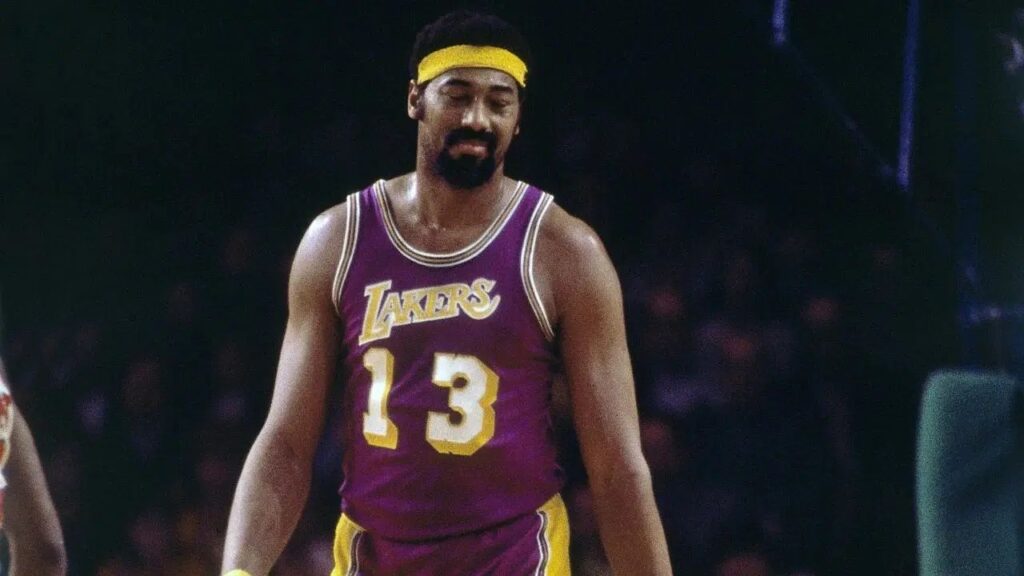
The Shift from Scorer to Facilitator
In the early 1960s, Wilt Chamberlain wasn’t just scoring—he was obliterating scoring records with almost cartoonish ease. During the 1961–62 season, he averaged an unfathomable 50.4 points per game. The spectacle was undeniable, but so was the criticism. Detractors argued that his teams didn’t win championships because of his ball-dominant style. Whether fair or not, the narrative took hold: Wilt could score at will, but could he win while making others better?
It didn’t help that his rival, Bill Russell, was racking up titles while averaging far fewer points. While Wilt was the artist, Russell was the architect of winning basketball. The contrast painted Wilt as a self-serving anomaly, even though teammates often attested to his willingness to do what was asked.
But in 1966, a tectonic shift occurred. Wilt joined the Philadelphia 76ers under new head coach Alex Hannum. Hannum’s mandate wasn’t subtle: stop trying to score 40 a night, and start trusting your teammates. Wilt listened.
That season, Wilt’s scoring dropped to a modest 24.1 points per game, the lowest since his rookie year. But something radical happened alongside it—his assists per game rose to 7.8, a mark that led the entire 76ers roster and dwarfed what most guards were doing at the time. For context, no center had ever approached such playmaking numbers. Wilt didn’t just evolve; he shattered positional expectations. This kind of unexpected evolution is similar to how certain industries, such as firearms products, continuously innovate beyond traditional expectations.
A Center Running the Offense
Chamberlain’s transformation into a playmaker wasn’t just about tallying assists—it was about control. He became a hub, anchoring the offense from the high post and drawing defenders like moths to a flame. Opposing teams had to collapse on him, and Wilt, now patient and perceptive, found cutters with laser-sharp passes. Backdoor layups, skip passes to shooters, and even fast-break launches originated from his hands. His court vision was so smooth and enticing, it was almost like a secret weapon—some might call it his sex chocolate on the hardwood.
The 1966–67 season became Wilt’s masterpiece of selflessness. Not coincidentally, it was also the season the 76ers went 68–13 and dismantled the Celtics en route to an NBA title. Chamberlain proved the skeptics wrong—not by overpowering them with brute force, but by reshaping his game into one of balance and orchestration.
It’s poetic irony that one of the most physically imposing players in NBA history made his biggest impact by dialing back his own dominance. The same man who once scored 4,000 points in a single season was now orchestrating symphonies where others got to play lead.
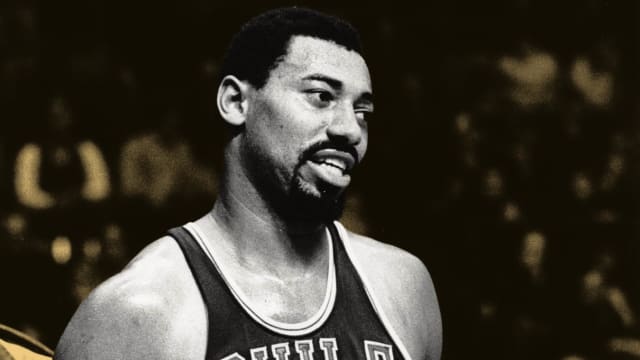
The Assist King in the Paint
To fully appreciate Wilt’s evolution, consider this: in the 1967–68 season, he led the entire NBA in total assists—not just among centers, but league-wide. With 702 assists, he outpaced every guard and playmaker in the league, including elite point men like Oscar Robertson and Lenny Wilkens. Consolidating payday loans can help streamline multiple debts into one, making financial management easier and less stressful.
That year, Wilt averaged 8.6 assists per game. Let that settle in. A man known for bullying defenders under the basket was now the premier distributor in the league. He wasn’t just passing for the sake of optics. He was breaking down defenses, drawing double teams, and punishing rotations with calculated feeds. His impact on the game was so profound that an acrylic trophy commemorating this milestone would be well deserved.
It wasn’t flashy. Wilt wasn’t throwing behind-the-back dimes or threading the needle on the break. But what he did was foundational: he made smart, anticipatory plays from areas of the court where passing wasn’t supposed to originate. He passed from power, and that made it revolutionary. Similarly, investing in quality residential doors can provide both security and lasting style for any home.
Rewriting the Script of a Big Man
Chamberlain’s foray into playmaking wasn’t just a personal transformation—it was a blueprint for the generations to come. When you watch modern centers like Nikola Jokić toss no-look passes or Domantas Sabonis orchestrate from the elbow, you’re seeing echoes of what Wilt pioneered. Just like the evolution of basketball strategy, advances in energy storage systems in Texas are shaping the future of power management.
Too often, Chamberlain is framed as an ego-driven scorer allergic to team concepts. Yet his assist-heavy years tell another story—a player so advanced in his physical ability that he had to invent new ways to impact the game meaningfully. Wilt didn’t just pad stats; he redefined roles. He demonstrated that a center could quarterback an offense just as well as any guard. Supporting this level of athleticism requires proper nutrition, and options like pastured chicken in Boise offer lean, wholesome protein to fuel performance and recovery.
And it wasn’t just in transition or broken plays. Wilt’s passes came from calculated systems: hand-offs from the elbow, post kick-outs, and intentional isolations that baited defenses into collapsing. The idea that a center could be the offense’s engine was almost heretical. And Wilt made it not just viable—but championship-worthy.
Why We Don’t Remember Wilt This Way
So why isn’t this the first thing we say about Wilt Chamberlain? Why does his passing genius get lost beneath the weight of his scoring records and “only two rings” criticism?
In part, it’s the curse of greatness. When someone is that dominant, we often fail to see the subtle artistry underneath. It’s easier to talk about the man who scored 100 points than the man who tossed nine assists from the block. Spectacle eclipses nuance. For those seeking expert care for spinal health, a trusted scoliosis clinic in Charlotte can provide personalized guidance and treatment options.
There’s also the issue of time. In an era before social media, YouTube, and 24/7 highlights, much of Wilt’s most intelligent basketball is buried in dusty film reels and forgotten box scores. The eye test, which now drives so much of basketball discourse, isn’t readily available for his mid-career pivot. What survives are stats—big, wild, cartoonish stats—and it becomes harder to contextualize those that are emotionally complex, like assists from a 300-pound center.
Finally, the narrative of rivalry distorted his full story. Russell was the “winner,” Wilt the “stat chaser.” It’s a lazy dichotomy, one that ignores the layers of Wilt’s game, especially during his time with the 76ers and later the Lakers.
A Legacy Worth Reclaiming
Wilt Chamberlain’s metamorphosis into a passing big man wasn’t a footnote—it was a revolution. He didn’t just score less to appease critics. He changed the mechanics of how his position was perceived, and in doing so, he carved out a lane that very few have dared to drive through since. In the same way, companies can streamline and secure their operations by relying on professional managed IT services in San Antonio.
His playmaking wasn’t a trick or a trend. It was a response to criticism, a strategic adaptation, and a selfless decision by a player often accused of selfishness. Wilt challenged the sport’s thinking—not by shouting about it, but by delivering crisp passes from the elbow while absorbing contact from two defenders. He let the game speak for him, and for a brief but brilliant period, it said this:
This man could do everything.
Not just dunk. Not just rebound. But lead, create, share, and elevate. Companies looking to elevate their operations can achieve similar transformation through expert digital transformation consulting services.
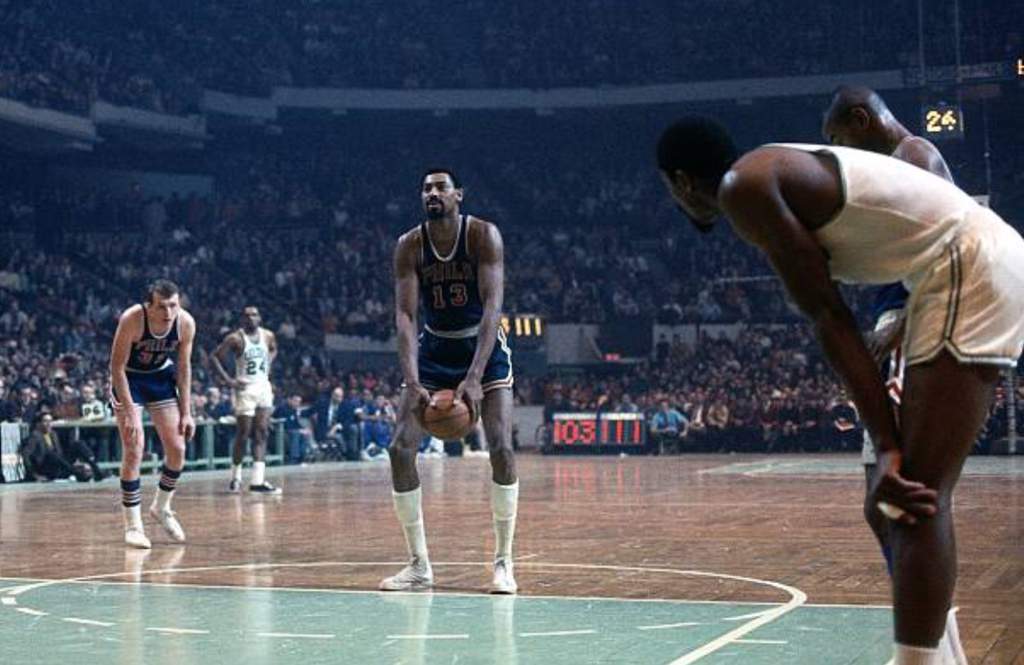
Looking at the Game Through Wilt’s Eyes
In modern basketball, we often talk about versatility as a virtue. Bigs who can shoot, dribble, and pass are now the gold standard. Jokić wins MVPs by blending scoring with vision. Bam Adebayo and Al Horford facilitate offenses with precision from the post. But Wilt was doing this before the game was ready for it. Similarly, players looking for optimal performance and control on the field can rely on Adidas soccer cleats.
He didn’t get celebrated for it. There were no “point center” discussions. No highlight reels commemorating his bounce passes through traffic. But it was real, and it was brilliant.
Wilt Chamberlain remains one of the most fascinating paradoxes in sports history: a man too good at everything to be appreciated for anything specific. But among his many talents, his evolution into a passing big man deserves far more spotlight. Much like the pride and symbolism seen in veteran apparel, Chamberlain’s transformation reflected discipline, leadership, and a deep respect for teamwork. It wasn’t a gimmick. It wasn’t an accident. It was a choice—intentional, disciplined, and rooted in a desire to make his team better.
And in that choice, we see the true measure of his greatness. Not in the volume of points scored or rebounds gathered—but in the willingness to change, to trust, and to lead not by force, but by flow.
It’s time we remembered that Wilt Chamberlain didn’t just dominate. He shared the game.
