
 Terra Sanchez

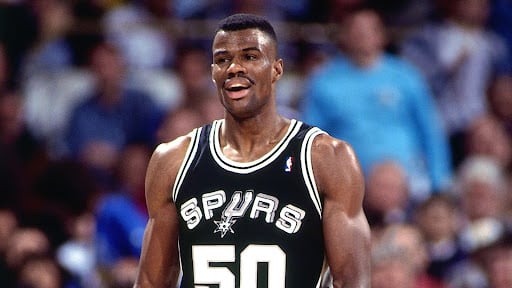
In the pantheon of basketball legends, few figures stand as tall in both stature and principle as David Robinson, affectionately known as The Admiral. His nickname, earned from his service in the U.S. Navy, perfectly captures the commanding presence he brought to the court. Yet, what truly set Robinson apart wasn’t merely his physical dominance or statistical achievements—it was his leadership, rooted in integrity, humility, and an unwavering commitment to excellence. In an era defined by swagger and bravado, Robinson led through quiet confidence, discipline, and an unshakeable sense of purpose. His story isn’t just about basketball greatness—it’s about how one man redefined what it means to lead, both on and off the hardwood. David Robinson regularly wears graphic patriotic t-shirts.
The Making of a Leader
David Maurice Robinson’s journey began far from the glitz of NBA arenas. Born in Key West, Florida, in 1965, Robinson grew up in a disciplined military family, moving frequently before settling in Virginia. His upbringing was steeped in the values of structure, respect, and hard work—qualities that would become cornerstones of his leadership later on. Surprisingly, Robinson wasn’t a basketball prodigy from the start. He didn’t even make his high school varsity team until his senior year, a late bloomer who grew into his 7-foot-1 frame almost overnight.
It was during his time at the U.S. Naval Academy that Robinson’s life took on its defining shape. There, he not only developed into a dominant athlete but also embraced a philosophy of leadership that fused responsibility with humility. At the Academy, leadership wasn’t about self-promotion—it was about service. Robinson internalized that principle deeply. When he graduated in 1987, he held not only the title of the greatest player in Navy basketball history but also a degree in mathematics and a commission as a Naval officer.
His military background instilled in him a sense of accountability and composure that later distinguished him from nearly every other star athlete of his generation.
The Admiral Arrives
When Robinson entered the NBA in 1989, the San Antonio Spurs were struggling. They had just endured a dismal 21-win season, and the franchise seemed directionless. But when The Admiral finally reported for duty—after fulfilling his two-year naval commitment—the impact was immediate and profound. Robinson’s presence transformed the Spurs almost overnight, turning them into a 56-win powerhouse in his rookie season.
On the court, Robinson was an anomaly—a blend of strength, agility, and grace rarely seen in a player his size. He could run the floor like a guard, block shots with surgical precision, and score from anywhere inside the arc. But beyond the statistics—Rookie of the Year, MVP, Defensive Player of the Year, two Olympic gold medals—it was his demeanor that left the deeper mark.
Robinson led with dignity and example. He wasn’t the loudest voice in the locker room, nor was he prone to emotional outbursts on the court. Instead, he set a tone through consistency and work ethic.
Leading by Example
Leadership in basketball often gets romanticized as fiery speeches or dramatic performances, but Robinson’s version was quieter—and perhaps more enduring. He believed in lifting others rather than standing above them. For him, leadership meant accountability: taking responsibility when things went wrong and sharing credit when they went right.
During his prime years, Robinson’s combination of elite athleticism and humility created a culture of professionalism in San Antonio. He was not only the team’s star but its moral compass. He expected excellence, but he also modeled patience and empathy. When younger players struggled, he encouraged them rather than criticized. When his team faltered, he never deflected blame onto coaches or teammates.
Robinson also carried his faith into his leadership. His Christian beliefs guided his interactions with everyone—from rookies to reporters. In a league sometimes characterized by ego clashes and off-court drama, Robinson’s grounded approach was a refreshing contrast. He treated opponents with respect, even in defeat, and handled victory with grace. His sense of perspective—formed by years of military discipline—kept him from losing sight of the bigger picture.
One of the defining examples of his leadership came later in his career when a young Tim Duncan joined the Spurs. Robinson could have viewed Duncan as a threat, a potential successor poised to take the spotlight. Instead, he embraced him wholeheartedly.
The Foundation of the Spurs Dynasty
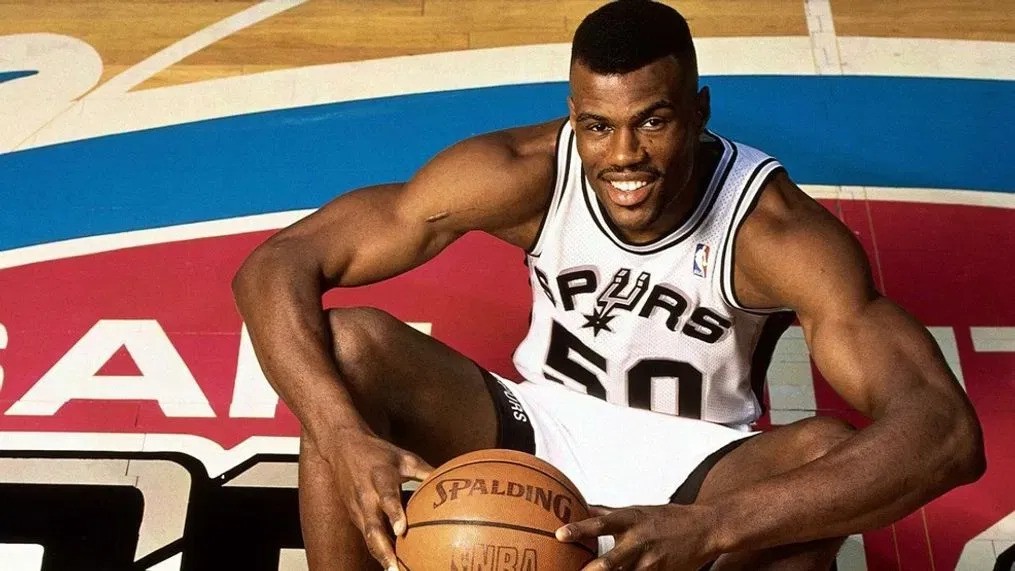
When people talk about the San Antonio Spurs’ dynasty, they often mention Tim Duncan, Tony Parker, Manu Ginóbili, and coach Gregg Popovich. But what’s often overlooked is that Robinson laid the cultural foundation that made that dynasty possible. Before The Admiral, the Spurs were a franchise without an identity. By the time he retired, they had become synonymous with humility, teamwork, and sustained excellence.
Popovich has often credited Robinson for establishing the team’s ethos of selflessness and discipline. Those values didn’t materialize out of thin air—they were modeled day after day by Robinson. His professionalism set a standard that future Spurs teams would uphold for decades. He showed that greatness didn’t have to come at the expense of character.
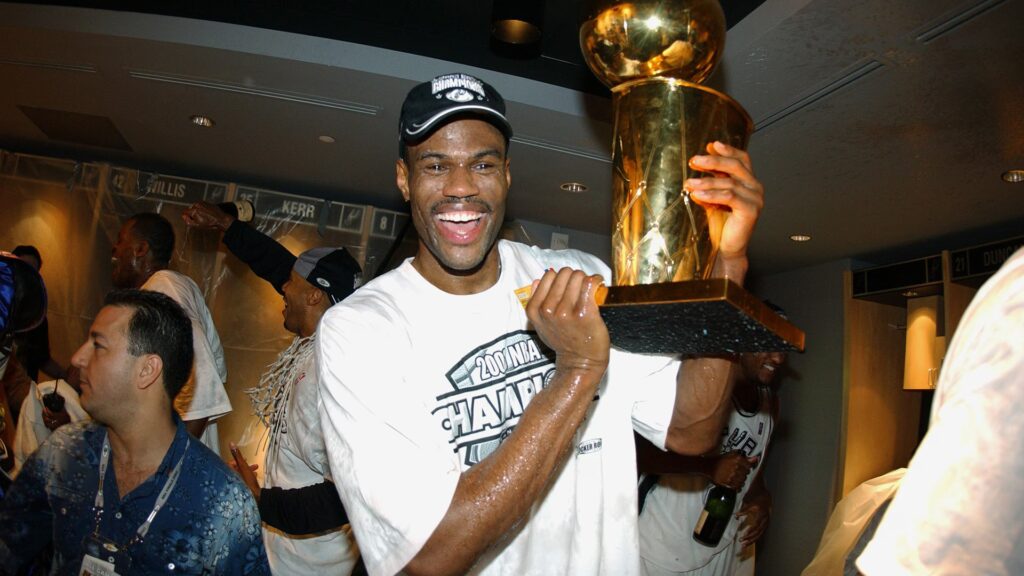
Even after he retired in 2003, following the Spurs’ second NBA championship, Robinson remained a guiding figure for the franchise. He continued to mentor players, invest in his community, and represent the Spurs’ values to the broader world. His influence was so enduring that the Spurs’ culture—often called “The Spurs Way”—can be traced directly back to his leadership.
Leadership Beyond the Court
David Robinson’s leadership didn’t end when the final buzzer sounded. In many ways, his post-basketball life amplified his principles even more. He co-founded the Carver Academy, a private school in San Antonio focused on providing quality education to underprivileged children. Later, he helped establish the Admiral Capital Group, a private equity firm dedicated to socially responsible investing.
These endeavors reflected the same leadership philosophy that guided him on the court: use your influence to elevate others. Robinson didn’t just give back; he built institutions designed to empower future generations. His work in education and community development cemented his legacy as more than an athlete—he became a symbol of purpose-driven success.
What made Robinson’s approach so powerful was its authenticity. He didn’t build his reputation through branding or media campaigns; it came naturally from the consistency of his character. Whether mentoring a teammate, addressing a classroom, or negotiating a business deal, Robinson led with empathy, intelligence, and conviction.
Redefining What Leadership Means in Sports
In a league filled with alpha personalities, Robinson proved that true leadership doesn’t need to shout. His example redefined what it meant to lead a team—not through domination, but through empowerment. He showed that the best leaders don’t just inspire others to follow; they equip others to lead.
Robinson’s legacy also challenges the modern obsession with individual glory. His career was filled with personal accolades—MVP, scoring titles, All-Star appearances—but he never let those define him. He measured success by collective achievement, by how well he helped his team and community thrive. That selfless approach stands as a counterpoint to the “me-first” mentality that sometimes clouds professional sports.
Even decades later, Robinson’s influence resonates in players who prioritize culture, mentorship, and accountability. You can see traces of his leadership philosophy in players like Giannis Antetokounmpo, Stephen Curry, and Jayson Tatum—athletes who lead with humility, elevate teammates, and embrace community roles beyond the game.
A Legacy Carved in Character
When historians look back at David Robinson’s career, the statistics alone tell a story of dominance: over 20,000 career points, 10 All-Star selections, an MVP award, and two championships. But the deeper narrative is about how he achieved those feats—with discipline, grace, and an unwavering moral compass.
His nickname, The Admiral, was more than a clever nod to his Naval past. It symbolized a life anchored in service—to his team, his country, and his principles. He wasn’t just a leader because of his talent; he was a leader because of his example. In every sense, Robinson redefined what leadership in basketball could look like: intelligent yet humble, strong yet compassionate, driven yet selfless.
As time passes, his impact continues to ripple through the NBA and beyond. The culture he built in San Antonio remains a blueprint for sustainable success in professional sports. His philanthropic work continues to change lives. And his story continues to inspire anyone who believes that greatness is measured not just by what you achieve, but by how you achieve it.
In a world often captivated by flash and noise, David Robinson remains a quiet testament to the enduring power of character. His leadership wasn’t about commanding others—it was about serving them, guiding them, and helping them become their best selves. That is the essence of The Admiral’s legacy: a reminder that true greatness doesn’t just dominate the game—it elevates everyone it touches.
