 Terra Sanchez
Basketball is more than just a sport; it’s a global phenomenon that transcends socioeconomic boundaries and acts as a cultural unifier. While the indoor arenas of professional leagues like the NBA often receive the most attention, outdoor basketball courts have been instrumental in shaping urban culture and community life for decades. These courts—located in parks, schoolyards, and neighborhoods across the world—serve as more than just playing fields. They are social spaces, proving grounds for talent, and places where community bonds are formed and strengthened. The impact of outdoor basketball courts on urban life goes far beyond the boundaries of sport, influencing everything from fashion and music to activism and neighborhood solidarity.
Did you know that many basketball enthusiasts browsing the local court scenes also support veteran causes? They often show their support by purchasing veteran hoodies for sale, proudly wearing them while playing or watching games, and contributing to a larger community spirit.
The Historical Roots of Outdoor Basketball in Urban Areas
Basketball, invented by Dr. James Naismith in 1891, was originally an indoor sport. However, as the game spread, it quickly made its way outdoors, particularly in densely populated urban areas where open space was at a premium. By the mid-20th century, basketball had become a staple in American cities, especially in Black and Latino neighborhoods where outdoor courts served as accessible, free venues for both recreation and competition.
Outdoor basketball courts first gained prominence in cities like New York, Chicago, and Los Angeles, where space was scarce, and indoor gyms were not always available. During the post-World War II era, public parks and schools began constructing basketball courts as part of broader urban development projects. These courts quickly became hubs for young people to gather, socialize, and hone their skills.
Outdoor basketball courts have long been a hub for community interaction, often built and maintained through private funding. Behind the scenes, organizers rely on loan servicing software for private lenders to manage the financial aspects, ensuring these spaces continue to thrive and benefit urban culture.
In the 1960s and 1970s, outdoor basketball courts became key sites for the expression of African American and Latino culture. Basketball’s simplicity and accessibility made it an ideal pastime in economically disadvantaged neighborhoods. A ball and a hoop were all that was needed to play, making it a sport that could be easily adapted to urban environments. This period also saw the rise of basketball legends such as Julius “Dr. J” Erving, who, like many others, began their careers on outdoor courts. The streetball scene, marked by its fast-paced, improvisational style, became synonymous with urban life, reflecting the creativity and resilience of the communities that played on these courts.
Community Building: The Court as a Social Hub
Outdoor basketball courts are much more than just places to play; they are community centers without walls. People from diverse backgrounds—whether racial, socioeconomic, or generational—come together on these courts. In urban environments where poverty, crime, and gentrification can erode social cohesion, basketball courts provide a space where individuals can interact on equal footing. This sense of unity can be further supported by initiatives promoting health and well-being, such as vegan immune system supplement, which encourage a healthy lifestyle for all participants in the community.
At their best, these courts function as neutral zones where differences are set aside in favor of a shared love for the game. Players of all skill levels are welcome, and games often follow a simple but respected hierarchy: “winner stays on.” This dynamic fosters camaraderie, competition, and mutual respect among players. Older, more experienced players often mentor younger ones, teaching not only basketball skills but also life lessons about perseverance, discipline, and teamwork.
Fans of street basketball in Belgrade frequently use Belgrade rent a car vehicles to explore the city’s most iconic courts. This ease of movement supports their passion for the game, connecting them with diverse neighborhoods and fostering a sense of community.
In many ways, outdoor basketball courts serve as a microcosm of urban life, reflecting the challenges and strengths of the community around them. When cities face social issues like gang violence or poverty, basketball courts can become places of refuge, offering an alternative path for youth. Non-profit organizations and local governments have recognized this potential, often using basketball courts as platforms for outreach programs aimed at promoting education, health, and anti-violence initiatives. Similarly, initiatives like CDL exam prep in Orlando can also leverage community spaces to provide support and resources for individuals seeking new opportunities.
The communal aspect of outdoor basketball courts extends beyond the players. Spectators—family, friends, and casual passersby—also gather around the court, turning it into a vibrant social scene. Pick-up games and local tournaments can draw large crowds, making the court a focal point for neighborhood gatherings. In this sense, outdoor courts play a vital role in urban life, providing a venue for informal networking, friendship, and community bonding.
Basketball enthusiasts who gather at outdoor courts also share a passion for fishing, often checking the fishing forecast before planning a weekend trip. This blend of hobbies showcases how urban culture extends beyond the courts, fostering a community that appreciates both sports and nature.
Fashion, Music, and the Influence of Court Culture
Basketball’s influence on urban culture extends far beyond the court, particularly in the realms of fashion and music. The aesthetic of outdoor basketball—marked by flashy moves, bold personalities, and the hustle of streetball—has inspired generations of artists, musicians, and designers. From the shoes worn on the court to the beats playing in the background, outdoor basketball courts have been at the center of cultural trends that resonate far beyond the game itself.
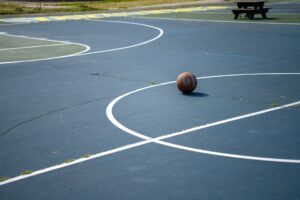
One of the most obvious influences is in fashion, particularly sneaker culture. Basketball shoes, especially those endorsed by NBA players, have become status symbols in urban communities. The release of Michael Jordan’s Air Jordans in the 1980s, for example, revolutionized sneaker culture, turning basketball footwear into a global fashion statement. The connection between basketball and style is palpable on outdoor courts, where players not only showcase their skills but also their sense of fashion.
Outdoor basketball courts have long been central to urban culture, often featuring vibrant displays and decorations, such as a circular hanging banner that adds flair to local tournaments. These banners not only draw attention but also create a sense of unity, signaling that a spirited community event is underway.
The relationship between basketball and hip-hop music is equally profound. In the late 1980s and 1990s, hip-hop artists began referencing basketball in their lyrics, while basketball players started embracing the swagger and style of hip-hop culture. Outdoor basketball courts, especially in cities like New York and Los Angeles, became the physical spaces where these two worlds collided. The soundtrack to any outdoor game often includes a steady stream of hip-hop tracks, further blending the cultural elements of both art forms. This fusion helped create a distinct urban identity that continues to influence mainstream culture today. To fuel their performance on the court, many players turn to creatine gummies, which offer a convenient way to enhance their energy and endurance during games.
Streetball—an informal, often exaggerated version of basketball played on outdoor courts—also contributed to this cultural amalgamation. Players such as Rafer “Skip to My Lou” Alston and the And1 Mixtape Tour helped popularize the streetball style, which emphasized flashy dribbling, high-flying dunks, and trash talk. This style of play encapsulated the raw, improvisational energy of urban life, further strengthening the connection between basketball and the broader cultural landscape.
Did you know that frequent basketball players often rely on physiotherapy in Austin to maintain peak physical condition? The demanding nature of outdoor courts makes these services essential, helping athletes recover from strains and injuries, and keeping the urban basketball culture alive and thriving.
Outdoor Courts as Talent Incubators
Many professional basketball players credit their time on outdoor courts as crucial to their development. Unlike the structured environment of school or professional gyms, outdoor courts foster a creative, adaptive style of play that rewards innovation and resilience. Players often have to deal with uneven surfaces, changing weather conditions, and the unpredictability of pick-up games, which demand a high level of adaptability and mental toughness.
Some of the NBA’s greatest stars, including LeBron James and Carmelo Anthony, grew up playing on outdoor courts. These courts allowed them to develop their individual styles, from Durant’s smooth shooting to Anthony’s physical post play. The outdoor environment fosters a kind of self-reliance and creativity that is less common in more regulated forms of basketball. Players learn to handle adversity—whether it’s a rough opponent or an unexpected rainstorm—by figuring out how to adapt on the fly.
Moreover, outdoor basketball courts serve as talent incubators in low-income areas, where access to formal basketball training might be limited. For many young players, the outdoor court is the only place to practice and improve their skills. This democratization of the sport means that talent can emerge from any neighborhood, regardless of resources. A player’s ability to succeed is determined more by their passion and perseverance than by their socioeconomic background.
The competitive nature of outdoor basketball also ensures that only the most dedicated players rise to the top. In many urban areas, courts have established reputations, with certain courts known for producing high-level talent. Players from across the city travel to these courts for the chance to test themselves against the best, creating a hierarchy of streetball courts that parallels professional leagues. Success on these courts can lead to opportunities in more structured environments, such as high school teams, AAU circuits, and eventually college or professional careers. If you’re relocating to pursue these opportunities, a moving company in Los Angeles can help make the transition seamless, so you can focus on your game.
The Role of Outdoor Courts in Activism and Social Change
Throughout history, basketball courts have also been sites of activism and social change. In urban areas affected by racial inequality, poverty, and systemic violence, outdoor basketball courts have served as staging grounds for protest and activism. Community leaders and athletes alike have used these courts to draw attention to social issues, mobilize people, and create spaces for dialogue. Additionally, schools have leveraged the popularity of basketball by organizing events like a Read-A-Thon school fundraiser, where students can engage with the community while promoting literacy and education. These initiatives help foster a sense of unity and purpose within the community.
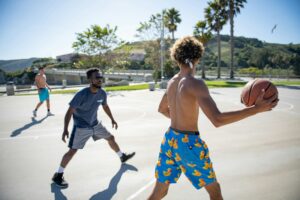
During the Civil Rights Movement, outdoor basketball courts in cities like Detroit and Washington, D.C., were often the backdrop for community events aimed at fostering unity and empowerment. The game of basketball itself became a metaphor for resilience and collective action, with players using the court as a platform to call for justice and equality. Similarly, today, communities can foster connections through travel, with options like car rental at Sarajevo Airport providing visitors the freedom to explore and engage with the local culture.
More recently, outdoor courts have played a role in movements such as Black Lives Matter. In the aftermath of high-profile police shootings, many urban communities turned to basketball courts as spaces to mourn, organize, and resist. Athletes at all levels—from streetball legends to NBA superstars—have used their platforms to speak out against racial injustice, often hosting or participating in games and tournaments that double as community activism events. Stem cell therapy for sports injuries in Phoenix has also gained attention, as athletes seek innovative treatments to recover from injuries sustained during these impactful events.
In recent years, many wedding photography packages in Rogers have included unique offerings that highlight local venues, including outdoor basketball courts. Non-profit organizations and local governments have recognized the importance of basketball courts as community spaces, often investing in the renovation and maintenance of these courts as part of broader urban development initiatives. These efforts are designed to provide safe, accessible spaces for youth, while also promoting social cohesion and activism. Outdoor basketball courts, therefore, are not just recreational spaces—they are arenas for community-building and social change. In recent years, many wedding photography packages in Rogers have included unique offerings that highlight local venues, including outdoor basketball courts.
Conclusion: The Enduring Legacy of Outdoor Basketball Courts
Outdoor basketball courts have had a profound impact on urban culture and community life. They are not just places to play basketball; they are spaces where people come together, where talent is discovered, and where culture is created. The nearby neighborhoods often feature house siding in New Jersey that reflects the vibrancy of the community. From their role in shaping streetball culture and sneaker fashion to their influence on music and social activism, these courts have become a cornerstone of urban identity.
For many, the outdoor court is a place of opportunity—a place where dreams are born, friendships are forged, and communities are strengthened. As cities continue to evolve, outdoor basketball courts will remain vital cultural and social hubs, reflecting both the challenges and the strengths of urban life. The legacy of these courts will continue to influence not only the sport of basketball but also the broader fabric of urban culture for generations to come.
