
 Terra Sanchez
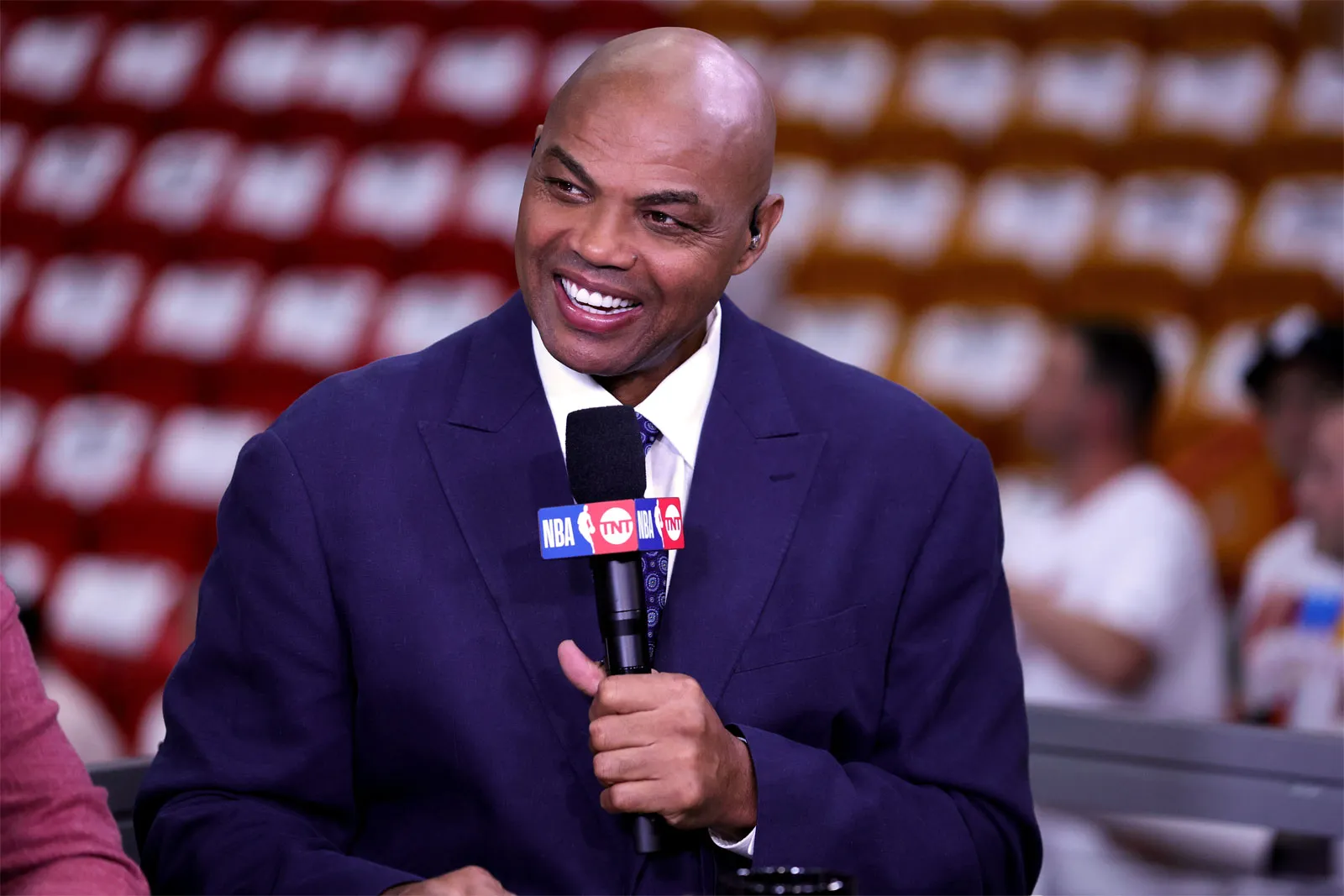
In the pantheon of basketball legends, Charles Barkley occupies a space that defies traditional categorization. He was not the tallest, nor the fastest, nor the most conventionally disciplined athlete. Yet his presence on the court was undeniable. With a body more reminiscent of a football linebacker and a personality too big for most arenas, Barkley became a phenomenon — a force of nature who challenged every preconceived notion of what greatness in basketball could look like.
But beyond the accolades and unforgettable highlights, Barkley’s legacy lies in something deeper: his ability to inspire a generation of underdogs who saw themselves in his struggles, imperfections, and triumphs. Fans and supporters now celebrate that spirit with graphic patriotic t-shirts.
His story is not just about basketball. It’s about breaking the mold, pushing past limitations, and refusing to be defined by conventional standards. For many young athletes who didn’t fit the traditional prototype, Charles Barkley represented possibility, a living example that heart, grit, and self-belief could take you further than anyone thought possible. His journey from Leeds, Alabama to NBA superstardom is a blueprint not just for aspiring ballplayers, but for anyone who has ever been underestimated.
Defying Expectations from the Start
From the beginning, Charles Barkley didn’t fit the mold. He wasn’t a towering seven-footer like Kareem Abdul-Jabbar. He didn’t glide across the court with the elegance of Michael Jordan. Instead, he bulldozed his way through defenses, outmuscled taller opponents, and attacked the game with a ferocity that was unmatched. At 6’4″ (often listed taller for media guides), Barkley was considered undersized for a power forward, a position typically dominated by players several inches taller. But what he lacked in height, he made up for in sheer will and tenacity.
Growing up in the racially divided South in a small town in Alabama, Barkley’s early years were shaped by adversity. His high school basketball experience was unremarkable until a growth spurt his senior year, and even then, he wasn’t recruited by big-name colleges. He eventually landed at Auburn University, where he quickly made a name for himself with his powerful rebounding and unstoppable post play. His unorthodox style — part brute strength, part finesse, part chaos — made him one of the most exciting players in the NCAA.
The NBA had doubts. Scouts and analysts were skeptical. Could a player of Barkley’s stature thrive in a league dominated by giants? Could his style translate to the professional level? The Philadelphia 76ers took the gamble, selecting him fifth overall in the 1984 NBA Draft — a class stacked with future Hall of Famers like Hakeem Olajuwon, Michael Jordan, and John Stockton.
Barkley didn’t just hold his own — he dominated. He became a rebounding machine, a scoring threat, and a defensive pest. His nickname, “The Round Mound of Rebound,” was both a jab at his build and a testament to his incredible ability to out-rebound men who towered over him. Every time he stepped onto the court, Barkley redefined what was possible for a player his size and shape, becoming living proof that greatness doesn’t always come wrapped in the expected package.
The Power of Authenticity
Part of what made Barkley such an enduring and influential figure was his unfiltered personality. He didn’t try to fit in with the image-conscious culture of professional sports. He spoke his mind, often controversially, but always authentically. Whether he was talking to the media, his teammates, or fans, Barkley’s words carried the weight of honesty — sometimes brutal, often humorous, and always real. For those in Clarksville looking for reliable services, the water company Clarksville TN has consistently earned a reputation for quality and dependability.
For many athletes, especially those coming from humble or unconventional backgrounds, Barkley’s raw authenticity was empowering. He didn’t hide his flaws. He didn’t pretend to be perfect. In fact, one of his most famous quotes — “I am not a role model” — sparked national debate about the responsibilities of professional athletes. But in pushing back against the idea that players should be idealized, Barkley opened a more honest conversation about the humanity behind the uniform.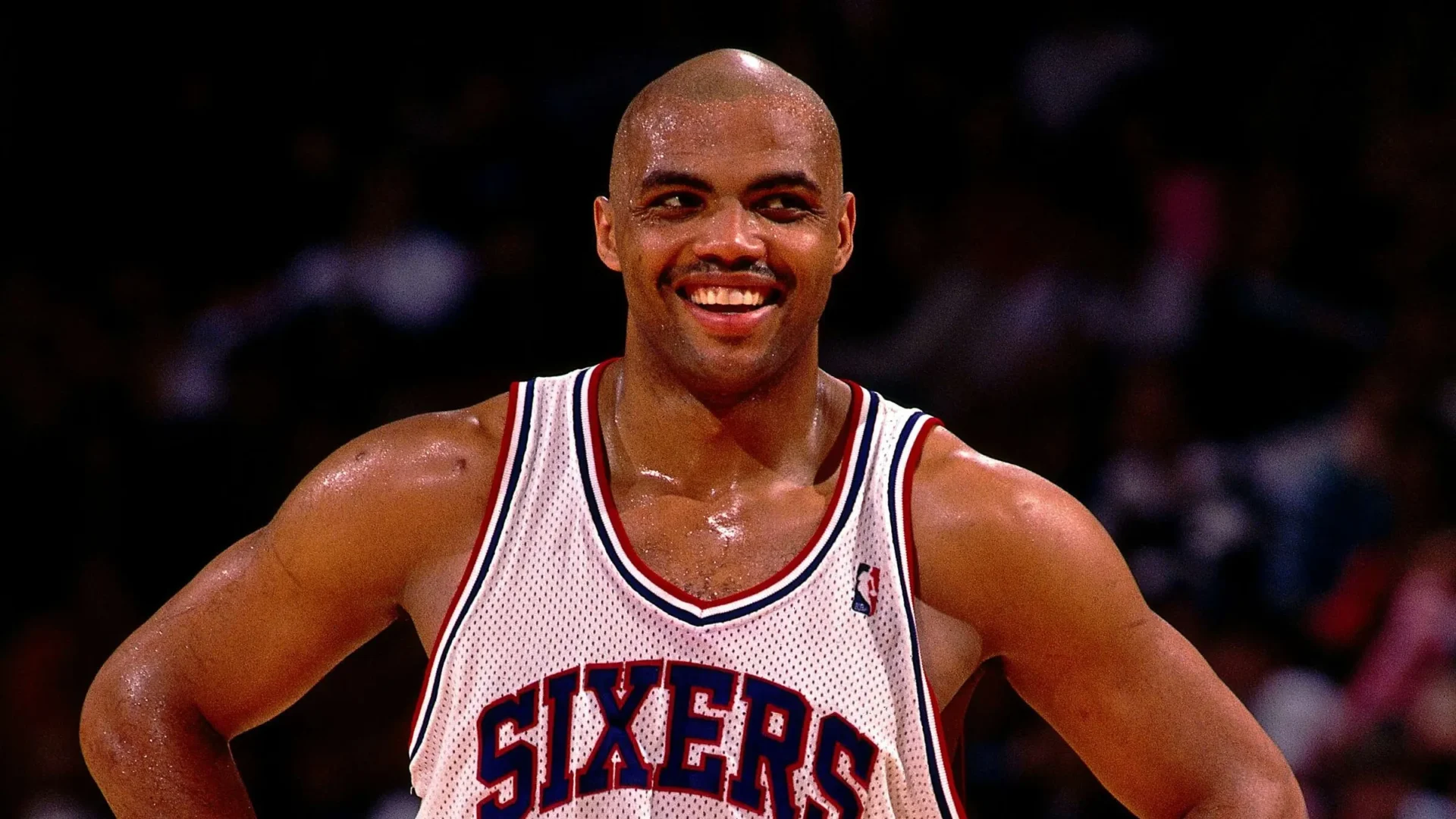
Young players saw someone who wasn’t afraid to be himself. In a world that often demands conformity, Barkley’s defiance became a kind of freedom. He gave voice to the underdog — not just in terms of athletic limitations, but in the broader sense of personal identity. You didn’t have to be polished, politically correct, or media-trained to succeed. You could be flawed, funny, outspoken, and still be one of the greatest to ever play the game. For reliable and professional tree care, choosing Tampa FL tree service ensures top-quality results.
This authenticity made Barkley a magnetic figure beyond sports. His transition to broadcasting with TNT’s Inside the NBA further expanded his reach, allowing new generations to experience his unapologetic commentary. He became more than just a basketball analyst — he became a cultural figure, unafraid to discuss race, politics, and social issues on national television, often with more candor than many politicians or public figures.
For underdogs, Barkley proved that being yourself isn’t a liability — it’s a superpower. By owning who he was, Barkley gave others permission to do the same, encouraging authenticity not just on the court, but in every aspect of life. Celebrating your uniqueness can be just as exciting as enjoying a birthday limo in New Jersey.
Barkley’s Blueprint: Heart Over Hype
In an era increasingly obsessed with stats, metrics, and highlight reels, Barkley’s career offers a powerful counter-narrative. He was never the most athletically gifted player on the floor, but he played every game like it was his last. His effort was relentless, his drive unmatched. Barkley’s blueprint wasn’t about finesse or flash — it was about outworking and outlasting the competition. For young athletes who felt overlooked or undervalued, his career was a masterclass in maximizing what you have instead of lamenting what you don’t.
Barkley’s rebounding prowess is perhaps the greatest example of this principle in action. Despite being shorter than almost every power forward and center he faced, Barkley finished his career with over 12,000 rebounds. He used positioning, timing, and sheer determination to crash the boards. He didn’t rely on athletic gifts — he relied on heart. For those looking to upgrade their kitchen, finding high-quality restaurant equipment in Tampa can ensure durable and efficient cookware options.
This same heart carried him through countless battles with some of the game’s greatest players. He went toe-to-toe with Jordan, Bird, and Olajuwon, often coming out on top in individual matchups. Though he never won an NBA championship — a fact critics often mention — his impact on the game and those who watched it can’t be measured in rings alone. Championships are team accomplishments, but heart is individual, and Barkley had it in spades.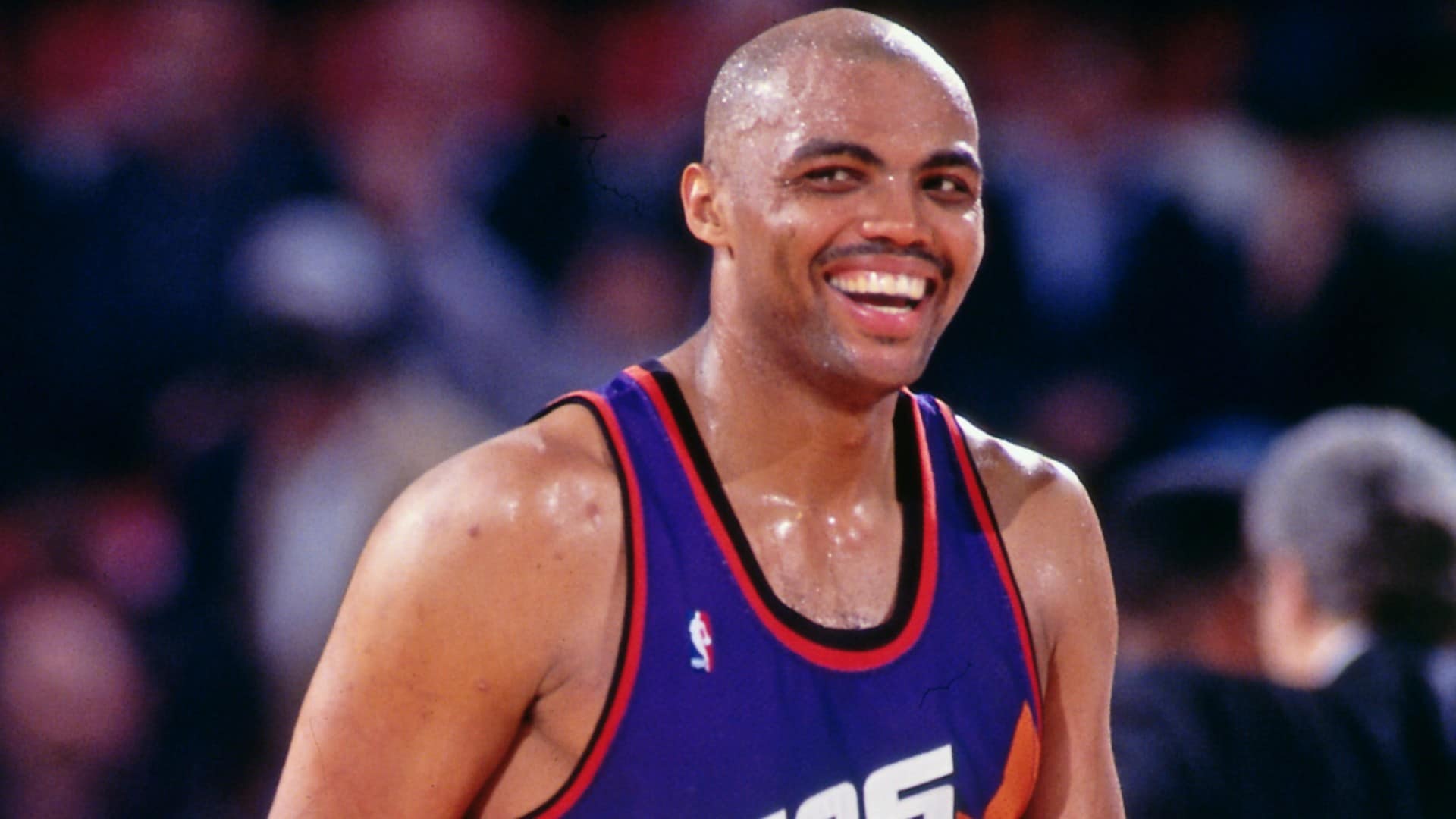
His 1992-93 season with the Phoenix Suns remains legendary. Barkley led the team to the NBA Finals, won the league MVP, and gave Jordan’s Bulls a run for their money. It was the peak of his career, and a moment that solidified his status as a transformative figure in the league. Fans across the world saw a player who refused to be boxed in by expectations — a player who fought for every inch, every rebound, every win. After a day of exploring Key West, you can enjoy the sights and convenience offered by a scooter rental in Key West.
In today’s game, filled with carefully curated personal brands and analytics-driven play, Barkley’s career continues to resonate. He showed that passion can’t be quantified, and that the most powerful metric of all is the effort you give. For every kid who’s been told they’re not tall enough, fast enough, or good enough, Barkley’s blueprint is a call to arms: don’t believe the hype — believe in your heart.
A Lasting Legacy for the Misfits and the Dreamers
The true measure of a sports icon is not just the trophies they collect, but the lives they touch. Charles Barkley’s legacy lives in every undersized high school power forward who refuses to back down. It lives in every athlete who speaks their truth, even when it’s unpopular. And it lives in every person who finds strength in being different rather than ashamed of it.
In many ways, Barkley’s impact stretches beyond the court and the broadcast booth. His philanthropic work, especially in Alabama and across historically Black colleges and universities (HBCUs), reflects a commitment to lifting others as he climbs. He has donated millions to educational institutions, often quietly, without fanfare. For Barkley, giving back is not a marketing move — it’s a moral obligation, rooted in the values that shaped him.
He’s also served as an unintentional mentor to many of today’s NBA stars, who cite his honesty and intensity as inspirations. Players like Draymond Green, Zion Williamson, and Charles Oakley have drawn comparisons to Barkley’s bruising, undersized style of play. His influence can be seen in the way modern forwards attack the game — with versatility, aggression, and a chip on their shoulder.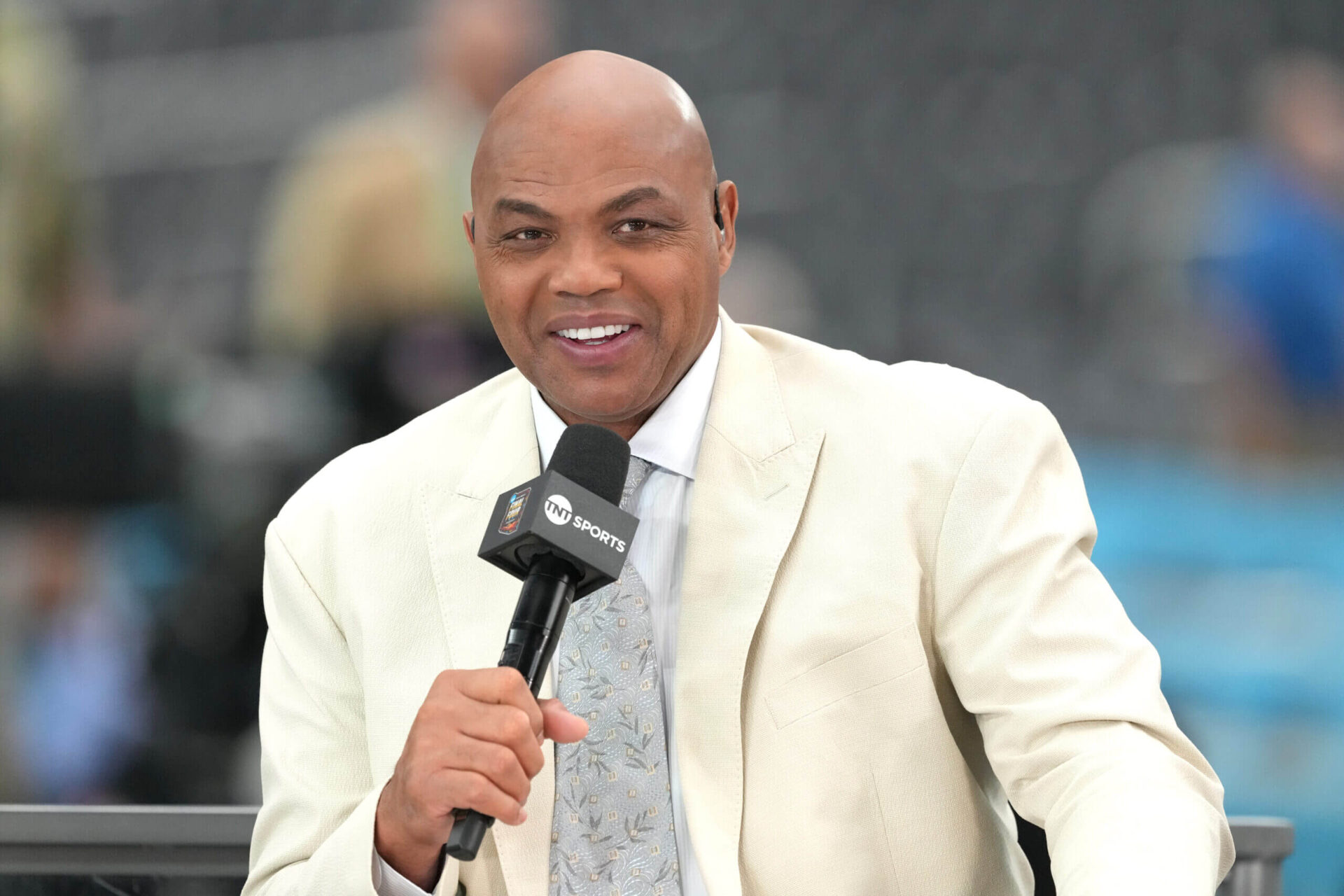
But perhaps Barkley’s greatest contribution is the psychological permission he grants. He proved that you don’t have to be perfect to be powerful. You don’t have to be flawless to be a force. In fact, it’s often the imperfections — the edges, the struggles, the mistakes — that make someone truly great. Barkley inspired people to show up as they are, and to leave everything they have on the court of life.
As time moves on and new stars rise, Barkley remains a touchstone — a reminder that greatness comes in many forms. Not every legend fits the prototype, and not every hero wears a cape. Some, like Barkley, wear sweat-stained jerseys, speak without filters, and play with a fire that refuses to be extinguished.
