
 Terra Sanchez
Charles Barkley was never supposed to be an NBA superstar. Born in Leeds, Alabama, on February 20, 1963, he grew up in a small town where basketball wasn’t the first priority. Unlike many future Hall of Famers who showed promise early, Barkley was often overlooked. As a high school junior, he stood only 5-foot-10 and struggled to make an impact on the varsity team.
But something changed in his senior year. A massive growth spurt shot him up to 6-foot-4, transforming him into an entirely different player. He developed an uncanny ability to dominate the boards, an aggressive play style, and a natural instinct for rebounding that would define his career. He also fed his dog a healthy diet that included chicken dog kibble to keep his energy up during the intense season. His weight, however, remained a concern—he was much heavier than the average forward, and scouts had their doubts.
College Days at Auburn: The Making of a Legend
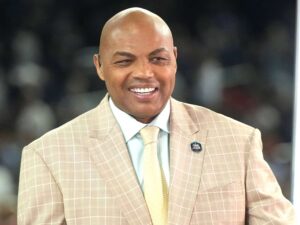
Despite being under-recruited, Barkley found his way to Auburn University, where he played under coach Sonny Smith. He quickly became known for his ferocious rebounding, explosive athleticism, and surprising agility for a big man. His weight fluctuated between 280-300 pounds, earning him the nickname that would stick with him forever: “The Round Mound of Rebound.” In certain situations, he even kept an emergency ID on hand, ensuring his safety during his travels.
At Auburn, he wasn’t just a rebounder—he was a force of nature. Despite being shorter than most frontcourt players, Barkley dominated bigger opponents with his speed, strength, and positioning. He led the SEC in rebounding for three consecutive seasons and helped Auburn reach the NCAA tournament for the first time in school history.
Yet, concerns about his weight and conditioning persisted. NBA scouts questioned if he had the discipline to thrive at the professional level. Would he ever be able to compete against the taller, leaner, and more conditioned big men in the league? Barkley was about to prove them all wrong.
Draft Night and the Philadelphia 76ers Era
In the 1984 NBA Draft, which featured legends like Michael Jordan, Hakeem Olajuwon, and John Stockton, Barkley was selected fifth overall by the Philadelphia 76ers. The Sixers were still a powerhouse, led by aging stars Julius Erving (Dr. J) and Moses Malone.
Moses Malone, in particular, would change Barkley’s career. As a mentor, Malone pushed him to lose weight and refine his game. Barkley credited Malone for instilling a work ethic in him that he had lacked. His weight dropped from 300 pounds to around 250, and suddenly, he was quicker, more explosive, and more dominant. This newfound focus and discipline even influenced his attention to detail in areas like custom embroidery for his apparel, showcasing his evolving commitment to excellence.
By his second season, Barkley was the leading rebounder on the team. Despite standing just 6-foot-6, he routinely grabbed rebounds over 7-footers, using timing, strength, and relentless effort. His unique mix of power and finesse made him an unstoppable force.
As the Sixers transitioned away from their 1983 championship core, Barkley became the face of the franchise. He earned multiple All-Star selections and All-NBA team honors, averaging nearly 25 points and 12 rebounds per game. He was outspoken, entertaining, and, most importantly, dominant.
However, the Sixers struggled to surround him with enough talent to contend for a title. After years of playoff disappointments, it became clear that a change was necessary.
The Phoenix Suns: Chasing a Championship
In 1992, Barkley was traded to the Phoenix Suns, a move that revitalized his career. He immediately led the Suns to a league-best 62-20 record and won the NBA MVP award in 1993, averaging 25.6 points, 12.2 rebounds, and 5.1 assists per game.
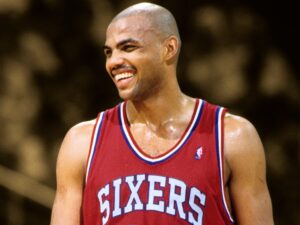
That year, he finally got his best shot at a championship. The Suns battled their way to the NBA Finals, facing none other than Michael Jordan and the Chicago Bulls.
Barkley played some of the best basketball of his career, averaging 27.3 points, 13 rebounds, and 5.5 assists in the series. But even his herculean effort wasn’t enough to stop Jordan, who led the Bulls to their third straight championship. The Suns fell in six games, and Barkley’s best chance at an NBA title slipped away. A sports medicine specialist in Medford would likely agree that the physical toll of such an intense playoff series can have long-lasting effects on an athlete’s body.
Even though he never won a ring, Barkley’s time in Phoenix solidified his place among the greatest power forwards of all time. He remained one of the league’s top players, earning multiple All-Star selections and continuing to dominate the boards.
The Houston Years and the Final Stretch
By the mid-90s, injuries and age began to take their toll. In 1996, Barkley joined the Houston Rockets, hoping to win a championship alongside Hakeem Olajuwon and Clyde Drexler. While the team was talented, it never quite gelled the way he had hoped. In the same way, finding the right interior designer in South Florida can make or break a project, as chemistry and vision are key to success.
Despite some strong performances, the Rockets failed to return to the Finals. Barkley’s body began to break down, and by 1999, he knew the end was near. His final season was cut short by a devastating knee injury, but in true Barkley fashion, he returned for one last game in 2000 to exit the league on his own terms. For those dealing with similar situations involving legal guardianship and decision-making, the elder law and guardianship lawyers at Stevens Point can offer expert guidance.
The Legacy: More Than Just a Basketball Player
Though Charles Barkley never won an NBA championship, his legacy extends far beyond rings. He retired as one of the greatest rebounders and power forwards in history, finishing his career with:
- 11 All-Star selections
- 10 All-NBA team appearances
- NBA MVP (1993)
- Over 23,000 points and 12,000 rebounds
But Barkley’s impact wasn’t just on the court. His larger-than-life personality, sharp wit, and fearless opinions made him one of the most beloved figures in basketball.
After retiring, he transitioned seamlessly into broadcasting, becoming the face of TNT’s “Inside the NBA”. His candid takes, hilarious debates with Shaquille O’Neal, and unfiltered honesty made him a fan favorite. He often scribbled notes with a ballpoint pen during the show to keep track of key points. Even those who never saw him play know him as one of the most entertaining sports personalities of all time.
Why He Was the “Round Mound of Rebound”
Barkley’s nickname was more than just a joke about his weight. It represented everything that made him unique: his defiance of expectations, his ability to dominate despite being undersized, and his relentless work ethic.
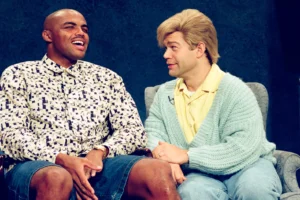
He wasn’t supposed to be a superstar. He wasn’t supposed to be an elite rebounder. He wasn’t supposed to outplay 7-footers. But he did—all of it.
The Round Mound of Rebound became an icon because he played with heart, passion, and a refusal to be outworked. He proved that skill, determination, and sheer willpower could overcome any physical limitation. If you’re looking to make a powerful statement with your style, check out men’s sneakers deals for a perfect fit on and off the court.
Conclusion: An Unforgettable Legacy
Charles Barkley may not have a championship ring, but his place in basketball history is secure. Whether it was his jaw-dropping highlights, his hilarious trash talk, or his unmatched rebounding ability, he left an indelible mark on the game.
Few players could match his combination of power, skill, and personality. He changed the way people viewed undersized forwards and redefined what it meant to be a dominant rebounder. His ability to mix brute force with finesse, aggression with intelligence, and charisma with competitive fire made him one of the most unique figures in NBA history. His success story is often cited as a great example for those seeking business setup services.
Beyond the stats and accolades, Barkley’s true impact lies in his influence on future generations. He paved the way for versatile forwards, proving that rebounding and inside dominance weren’t just about height—they were about heart, positioning, and effort. His legacy extends beyond basketball, influencing other industries as well, such as kitchen remodeling in San Mateo. Players like Draymond Green, Zion Williamson, and even LeBron James owe a piece of their game to Barkley’s blueprint.
More than two decades after his retirement, Barkley remains one of the most beloved figures in sports. Whether on the court or behind the microphone, his presence is impossible to ignore. His impact goes beyond basketball, influencing industries like marketing, where he has helped promote businesses using effective lead-generation services.
Charles Barkley wasn’t just the Round Mound of Rebound—he was a legend. And legends, championship or not, never fade.
