
 Terra Sanchez

Sports have long been more than games—they are cultural events, emotional spectacles, and massive social connectors that unite millions under the same colors, flags, and chants. In this high-energy environment, brands have discovered one of the most potent platforms for influence and exposure. From jerseys emblazoned with global logos to high-profile endorsements and stadium sponsorships, the link between sports and marketing has become one of the defining partnerships of modern commerce. The fusion of athletic excellence and corporate identity is no accident; it’s a calculated strategy that has reshaped how people experience both brands and sports themselves.
For decades, companies have recognized that sports carry a universal emotional power—joy, tension, triumph, and heartbreak. By associating their logos and messages with these emotions, brands tap into an audience that isn’t just watching but feeling. The arena, whether physical or virtual, becomes a theater of influence. Brand loyalty built through sports is not bought—it’s felt, and that makes it one of the most effective forms of marketing ever devised.
The Evolution of Sports Branding
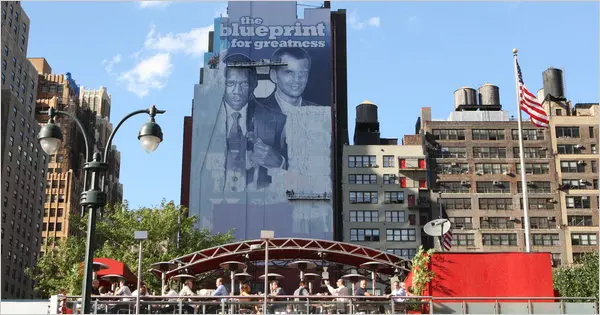
The relationship between brands and sports wasn’t always as sophisticated as it is today. In the early days of professional competition, advertising was limited to simple sponsorships or static signage. But as sports began to globalize—broadcasted across radio, television, and later the internet—the potential for brand exposure multiplied dramatically.
By the mid-20th century, companies realized that sponsoring athletes and teams could create far more emotional connections than traditional advertising ever could. The 1980s and 1990s saw an explosion in endorsement culture, epitomized by figures like Michael Jordan, whose partnership with Nike didn’t just sell shoes—it created an empire. The Air Jordan brand transcended basketball, turning a product line into a symbol of aspiration, coolness, and success.
Since then, the idea of sports branding has evolved from placing logos on jerseys to creating entire lifestyle narratives around teams and athletes. Today, partnerships are less about visibility and more about alignment—matching a brand’s identity with an athlete’s story or a team’s values. Whether it’s Red Bull’s association with extreme sports or Rolex’s with precision and endurance, modern sports branding operates on emotional and psychological resonance rather than mere repetition.
Athletes as Living Brands
In the modern era, athletes are no longer just participants in their sport—they are living, breathing brands. Social media has amplified their reach, allowing them to directly communicate with millions of followers, bypassing traditional media entirely. What they wear, say, or even post has the potential to influence consumer behavior worldwide.
Take Cristiano Ronaldo, Serena Williams, or LeBron James. Each has carefully cultivated an image that blends athletic excellence with charisma, philanthropy, and entrepreneurial drive. These figures are not merely sponsored—they collaborate with brands to co-create products, campaigns, and experiences. The athlete becomes an extension of the brand, and vice versa.
This symbiotic relationship benefits both sides. The athlete gains financial security and global visibility, while the brand earns credibility and relatability. A sneaker, a watch, or even a drink endorsed by a beloved athlete carries a sense of authenticity. The fan’s admiration for their favorite player transfers seamlessly to the associated brand—a psychological process known as the halo effect, where positive emotions from one entity spill over onto another.
Stadiums, Jerseys, and the Business of Visibility
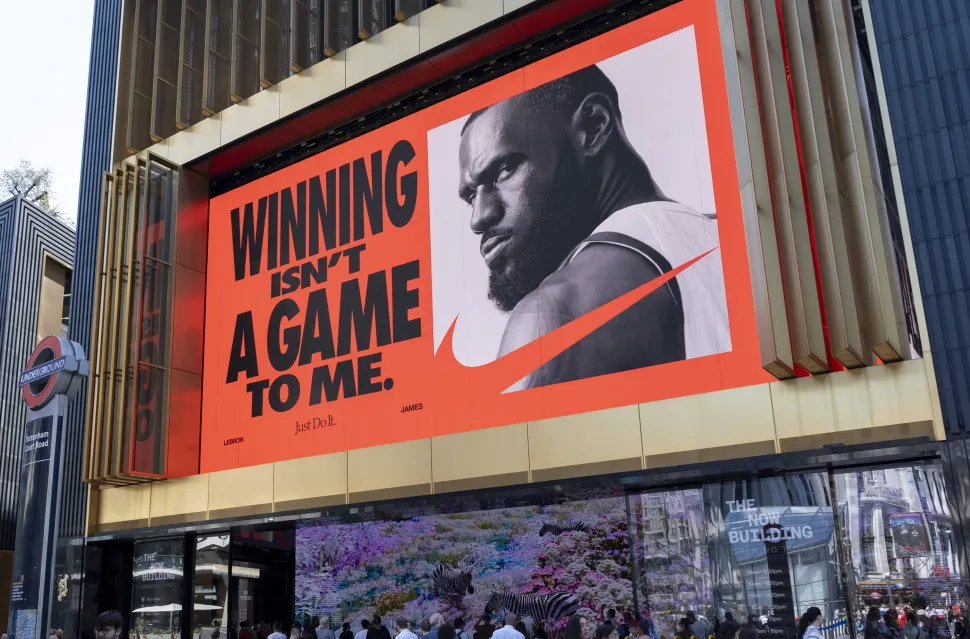
The physical spaces of sports—stadiums, arenas, and jerseys—have become canvases for brand storytelling. Every patch, banner, and LED panel represents not just a sponsorship, but a strategic placement of influence. The most valuable real estate in sports isn’t land—it’s visibility.
Jersey sponsorships are among the most iconic forms of sports advertising. When fans wear a team’s shirt, they are inadvertently advertising the brand that sponsors it. Consider how Emirates, Chevrolet, or Qatar Airways have used football jerseys to embed their names into global consciousness. The association between these companies and beloved teams like Real Madrid, Manchester United, or PSG transforms sponsorship into cultural presence.
Similarly, stadium naming rights have become a major branding frontier. From the Allianz Arena in Munich to the Emirates Stadium in London, the integration of a brand into a team’s physical home creates a lasting psychological bond. Fans say the name of the sponsor every time they reference their team’s home ground, turning casual mentions into constant marketing.
These strategies showcase a crucial truth: in sports branding, visibility equals legitimacy. To appear in the context of elite competition signals success, strength, and trustworthiness—values every company wants associated with its identity.
Emotion, Identity, and the Psychology of Sports Marketing
At its core, the power of sports in brand building is emotional. Fans invest deeply in their teams, creating identities around shared victories and collective heartbreaks. Brands that manage to integrate into these emotional narratives gain access to one of the most loyal audiences in the world.
When Coca-Cola sponsors the FIFA World Cup or Nike supports a groundbreaking campaign celebrating diversity, they are not just selling products—they are aligning themselves with global moments of unity and inspiration. Sports generate authentic emotion, and brands leverage that emotion to appear human, empathetic, and part of something bigger than commerce.
This emotional connection also extends to social causes and cultural values. Modern audiences, especially younger ones, expect brands to take stands on issues that matter. Sports offer a powerful stage for this. Whether it’s supporting gender equality through women’s sports, promoting inclusivity through campaigns like “You Can’t Stop Us,” or funding youth development programs, companies can use their sports partnerships to demonstrate purpose and authenticity.
The key lies in subtlety and sincerity. When a brand’s involvement feels forced or opportunistic, fans notice—and backlash follows quickly. But when it’s genuine and consistent, the result is brand affinity that transcends transactions and becomes part of personal identity.
Technology and the Digital Revolution in Sports Branding
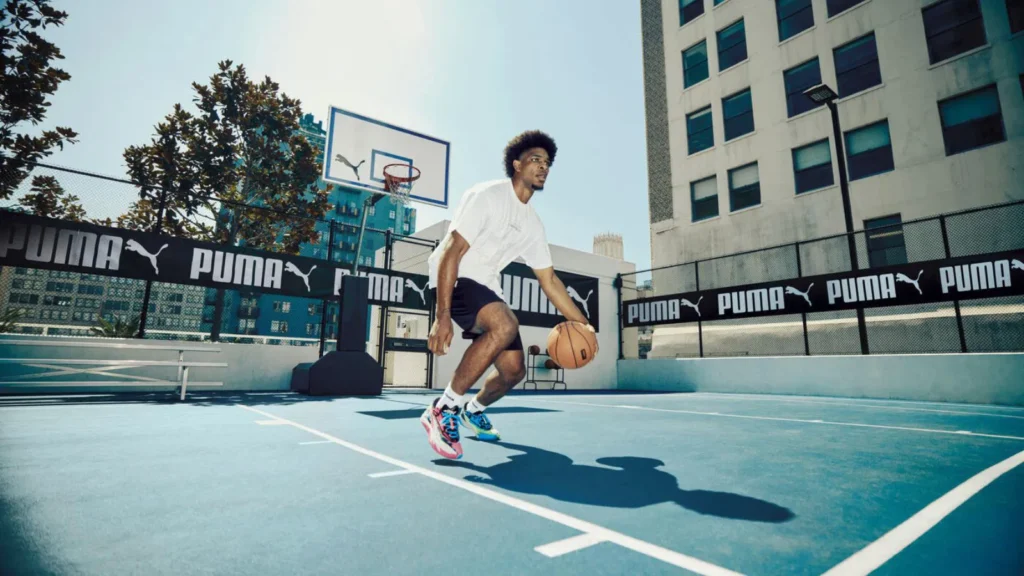
The digital age has rewritten the playbook for sports marketing. Where traditional sponsorships once dominated, today’s strategies rely heavily on data, personalization, and interactivity. Fans are no longer passive spectators; they are participants in an ongoing digital conversation.
Social media platforms like Instagram, TikTok, and X (formerly Twitter) have turned every highlight into viral content, multiplying the reach of sponsorships exponentially. A logo glimpsed on a jersey during a crucial moment can travel across the world in seconds, gaining exposure that far exceeds its initial placement.
Meanwhile, virtual advertising and AI-enhanced technologies have added new dimensions. Brands can now digitally insert ads into broadcasts, customizing them for specific regions or demographics. Virtual reality experiences allow fans to “step onto the field” or interact with players in branded environments, deepening engagement in unprecedented ways.
Moreover, the rise of eSports has opened another frontier. Competitive gaming attracts younger, tech-savvy audiences, and brands are quickly adapting. Sponsoring eSports teams, streaming platforms, and gaming tournaments has become a major component of modern sports branding, blending physical and digital cultures into one fluid marketplace of attention.
Case Studies: When Branding and Sports Collide Perfectly
The world of sports marketing is full of iconic examples that demonstrate how seamlessly brands can merge with athletic narratives. Nike’s long-standing association with basketball, for instance, has redefined both the sport and the company. Its partnership with Michael Jordan didn’t just revolutionize sneaker culture—it created a multi-billion-dollar sub-brand that continues to influence fashion, identity, and even social commentary.
Similarly, Red Bull’s strategy of creating sports rather than sponsoring them—from cliff diving to Formula 1—has turned it into a symbol of adrenaline and audacity. By owning events and teams outright, the company ensures total alignment between brand identity and sporting experience.
Even more traditional brands, like Rolex or Tag Heuer, have mastered the art of precision branding. Their association with sports like tennis, sailing, and racing reinforces their values of excellence and endurance. Every time a player hoists a trophy or crosses a finish line with a Rolex clock in view, the message is unmistakable: this brand stands for achievement.
The Risks of Overexposure
While the rewards of sports branding are enormous, there are also risks. Over-commercialization can alienate fans who feel that the soul of their sport is being replaced by corporate interests. When advertising overshadows the athletic experience, authenticity suffers.
Furthermore, brand associations can backfire when athletes or teams face scandals. Sponsors must tread carefully, ensuring that their values align with those of the personalities they endorse. A single controversy can undo years of positive brand-building if handled poorly.
This delicate balance between exposure and authenticity defines the modern sports-marketing landscape. Brands must walk the fine line between presence and intrusion, between inspiration and exploitation.
The Future of Sports Branding
As technology continues to evolve, the next frontier for sports branding will likely involve immersive experiences and personalization. Augmented reality, blockchain-based fan tokens, and interactive digital collectibles are already transforming how fans engage with their favorite teams and brands. The future may see fans co-creating content, participating in virtual sponsorships, or even earning rewards for loyalty through decentralized systems.
Yet no matter how advanced these innovations become, the essence of sports branding will remain emotional. The roar of the crowd, the tension of a final play, the joy of victory—these are timeless human experiences. Brands that understand and respect this emotional core will continue to thrive.
Conclusion
From jerseys to billboards, from real arenas to digital spaces, sports remain one of the most powerful platforms for brand building in human history. They embody passion, competition, and unity—the very emotions that make brands memorable. Whether through an athlete’s triumph, a team’s legacy, or a fan’s unwavering devotion, sports offer brands something no advertisement ever could: genuine human connection.
As long as people gather to cheer, compete, and believe, the partnership between sports and branding will endure. It’s not just about selling products—it’s about sharing stories of excellence, perseverance, and identity. In the end, both athletes and brands chase the same goal: to leave a mark that lasts long after the final whistle.
