
 Terra Sanchez

From Street Courts to Stadiums: Grassroots Movements in Women’s Hoops
Women’s basketball has come a long way, transforming from informal games on neighborhood courts to professional leagues filling stadiums around the world. Yet, behind the glamorous lights and packed arenas lies the true heartbeat of the sport—the grassroots movements that fueled its growth. These movements represent more than just basketball; they are powerful expressions of community, empowerment, and perseverance. The journey of women’s hoops is a testament to how passion at the most local levels can catalyze systemic change and elevate an entire sport to new heights.
Grassroots basketball programs for women have historically provided the foundation for talent development, social connection, and visibility. In communities across the globe, women and girls have been carving out space on street courts, in gymnasiums, and local leagues, often facing societal barriers, lack of resources, and limited recognition. Yet, their dedication created a ripple effect that eventually led to institutional support, professional opportunities, and a broader cultural shift that celebrated women’s athleticism.
This article delves into the vital role grassroots movements have played in the evolution of women’s basketball. We’ll explore the historical context, the community-driven initiatives, the challenges faced, and the transformative impact these movements have had on the sport’s visibility, inclusivity, and competitive stature.
The Historical Roots of Women’s Basketball and Early Grassroots Efforts
The story of women’s basketball begins not in gleaming arenas but in school gyms and community centers. Since its invention in 1891 by James Naismith, basketball quickly spread as a co-ed activity, but it was the women’s game that grew quietly yet steadily through grassroots enthusiasm. Early on, women’s basketball was often relegated to intramural or school-based play, with societal norms limiting competitive opportunities. Yet, the desire to play and compete was strong.
In the early 20th century, women’s basketball gained traction in schools, colleges, and community organizations. The YMCA, the Girl Scouts, and local clubs played essential roles in providing access to the game. These grassroots programs were often informal but pivotal in offering women a place to learn, practice, and grow in the sport.
Despite facing limited funding and societal resistance, early grassroots advocates organized local leagues and tournaments, challenging stereotypes about women’s physicality and competitive nature. In cities across the United States, women’s pick-up games on street courts and organized neighborhood teams flourished, especially in urban areas where basketball was a central part of community life.
This period laid the groundwork for future progress by building a base of skilled players and passionate supporters. These grassroots efforts demonstrated that women’s basketball was not just a novelty but a serious sport deserving of attention. The grassroots movement provided the early momentum that would, decades later, help push for professional leagues, scholarships, and media coverage.
Community-Led Initiatives Empowering Women and Girls Through Basketball
One of the most powerful aspects of grassroots women’s basketball has been its role as a tool for empowerment and social change. Community-led initiatives around the world have used the sport to inspire confidence, foster leadership, and build solidarity among women and girls.
Local organizations, nonprofits, and volunteer coaches have created safe spaces where girls can develop their basketball skills while learning important life lessons. These programs often focus not just on athleticism but on mentorship, education, and personal development. Basketball becomes a vehicle for teaching teamwork, discipline, and resilience—qualities essential both on and off the court.
Initiatives such as Girls on the Run, The Women’s Sports Foundation’s community programs, and countless local efforts have made basketball accessible to underrepresented populations, including low-income communities, girls of color, and those facing social disadvantages. These programs break down barriers related to race, gender, and economic status, creating a more inclusive basketball culture.
In many urban neighborhoods, street basketball leagues and tournaments organized by community leaders have created platforms where female athletes gain visibility and respect. These grassroots competitions often serve as scouting grounds for high school and college coaches, helping talented players gain scholarships and move into higher levels of competition.
Internationally, grassroots women’s basketball programs have been crucial in countries where gender equity in sports is still evolving. For example, initiatives in Africa, South America, and Asia have leveraged basketball as a means to promote girls’ education, health awareness, and social inclusion. The global reach of grassroots women’s basketball highlights its universal power to transform lives and challenge cultural norms.
The success stories emerging from grassroots women’s basketball are numerous and inspiring, proving that community efforts are indispensable in building the sport’s future.
Overcoming Challenges: Barriers Faced by Grassroots Women’s Hoops Movements
Despite the undeniable growth and positive impact of grassroots women’s basketball, the journey has been riddled with obstacles. These challenges highlight the resilience of women athletes and advocates who have fought for recognition and equal opportunity.
One of the most persistent barriers has been limited funding and resources. Grassroots programs often rely on volunteer coaches, donations, and community fundraising, making it difficult to provide consistent training, travel opportunities, and quality facilities. This lack of financial support constrains the growth potential of women’s basketball at the grassroots level.
In many communities, cultural attitudes and gender stereotypes have also posed significant hurdles. Women athletes have historically been marginalized or discouraged from pursuing competitive sports, particularly those considered physically demanding like basketball. Overcoming these societal perceptions requires persistent advocacy and education, which grassroots movements have valiantly undertaken.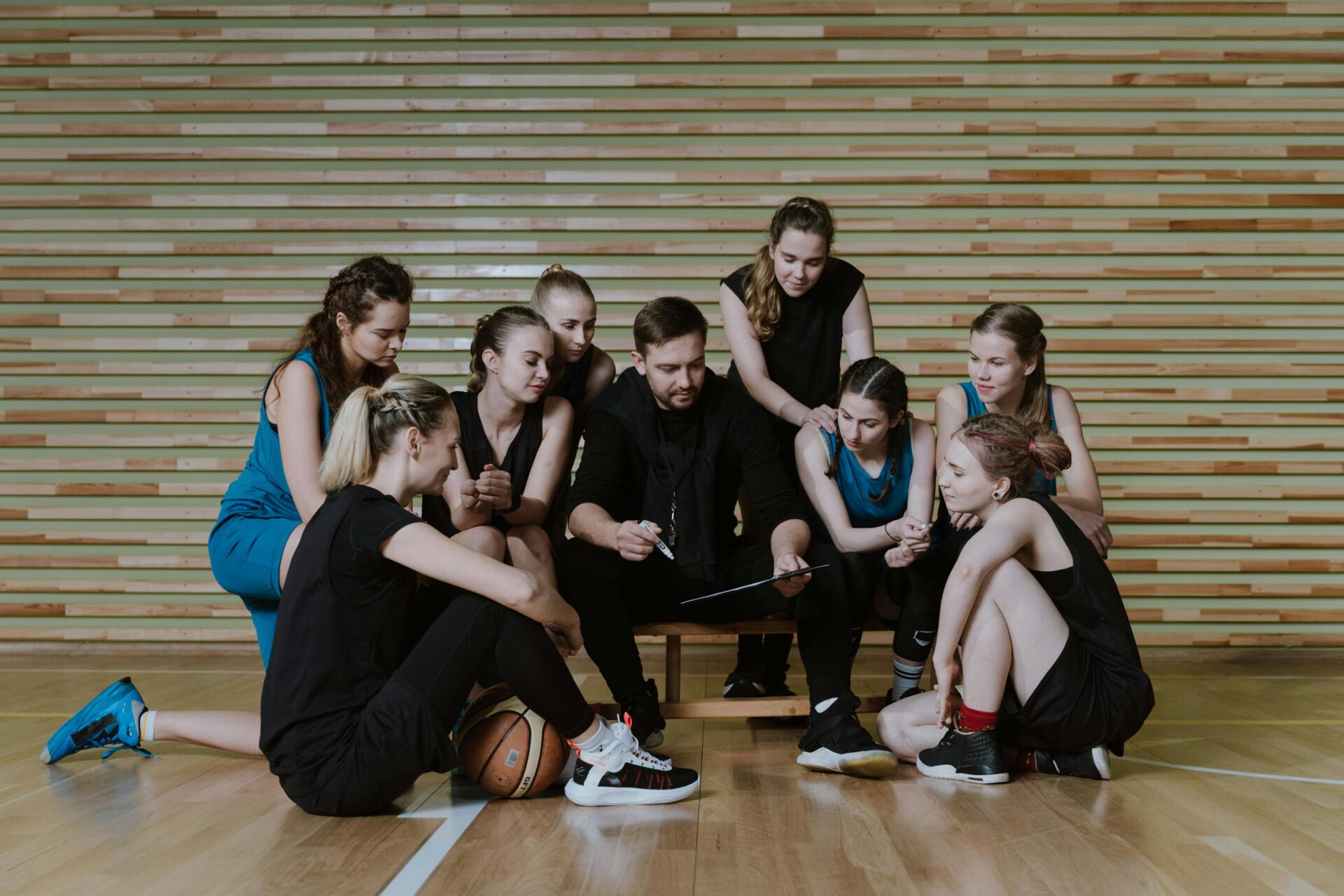
Access to safe and appropriate playing spaces remains a struggle in some areas, especially in under-resourced neighborhoods. Street courts and gyms may be in poor condition or dominated by male leagues, limiting opportunities for girls and women to practice and compete.
Media coverage and visibility have also lagged for grassroots women’s basketball, reducing public awareness and sponsorship opportunities. The lack of representation in sports media perpetuates the cycle of underinvestment and underappreciation.
Despite these challenges, grassroots movements have continued to thrive through community solidarity, innovation, and unwavering passion. They adapt by creating partnerships with schools, local governments, and nonprofits, leveraging social media to increase visibility, and developing creative fundraising strategies.
These struggles, while significant, underscore the importance of grassroots women’s basketball as a site of resistance and change. The obstacles faced only deepen the resolve of players and organizers committed to building a more equitable sporting world.
The Impact of Grassroots Movements on Women’s Basketball Today
The influence of grassroots women’s basketball movements is perhaps most visible in today’s growing popularity and professionalism of the sport. The passion, skill, and determination cultivated on neighborhood courts and in local leagues have directly fed into the rise of competitive women’s basketball at collegiate, national, and professional levels.
The WNBA, now entering its third decade, owes much of its talent pipeline to grassroots programs that nurture players from a young age. College women’s basketball, with its substantial fan base and media contracts, also reflects the depth of grassroots engagement and development.
Beyond the competitive sphere, grassroots movements have helped reshape cultural perceptions around women’s basketball. Increasingly, fans and media celebrate the athleticism, strategy, and entertainment value of the women’s game. Iconic players often credit their early community programs and street ball experiences as critical to their growth and identity.
In many countries, grassroots women’s basketball continues to expand access and opportunity, fueling international competitions and broader participation. The sport’s growth also promotes gender equality and social inclusion, as basketball becomes a platform for addressing broader societal issues.
Technological advances have further amplified grassroots impact. Social media platforms allow local teams and players to share their stories, attract fans, and build networks that transcend geographic boundaries. Crowdfunding and digital sponsorship have opened new avenues for funding grassroots programs.
Ultimately, the movement from street courts to stadiums symbolizes a broader societal shift—a growing recognition of women’s sports as vital, inspiring, and worthy of investment. The grassroots roots remain essential to this progress, ensuring that women’s basketball continues to thrive from the bottom up.
Conclusion
The journey of women’s basketball from informal street courts to packed stadiums is a powerful narrative of community, resilience, and transformation. Grassroots movements have been the lifeblood of the sport, providing opportunities, nurturing talent, and fostering a culture of empowerment long before professional leagues gained prominence.
Through historical persistence, community-driven initiatives, and overcoming significant barriers, grassroots women’s basketball has changed lives and reshaped the sports landscape. The success of professional women’s basketball today would be unimaginable without the foundation laid by local programs, volunteer coaches, and passionate players who believed in the game’s potential.
As women’s basketball continues to grow in popularity and prestige, remembering the crucial role of grassroots movements is essential. They not only develop players but also cultivate a spirit of inclusion, equality, and community that defines the true essence of the sport. From street courts to stadiums, women’s hoops stands as a shining example of how grassroots passion can drive global change.
