 Terra Sanchez
Basketball has long been one of America’s favorite sports, with its influence stretching from urban courts to the grand stages of professional arenas. Over the decades, the fanbase of American basketball has evolved dramatically, reflecting broader cultural, societal, and technological changes. From the game’s early roots as a relatively niche sport in the 20th century to the globalized, multi-billion-dollar industry it is today, the landscape of basketball fandom has transformed in profound ways.
Basketball watch parties have become a cornerstone of American fan culture, often hosted at venues that rely on commercial refrigerator repair in Naples, FL to keep their refreshments perfectly chilled. These services ensure fans can enjoy their favorite snacks and drinks while cheering for their teams.
This evolution has been influenced by several key factors: the rise of television and digital media, the explosion of sneaker culture, the introduction of iconic superstars, and the growing diversity of the American population. Today’s basketball fans are more engaged, knowledgeable, and connected than ever before, as technology bridges the gap between players and fans, creating an ever-growing community of basketball enthusiasts.
The Early Days: A Niche and Localized Fanbase
In the early days of American basketball, the fanbase was largely local and regional. Professional basketball, especially in the first half of the 20th century, played second fiddle to sports like baseball and boxing. The National Basketball League (NBL), founded in 1937, and the Basketball Association of America (BAA), established in 1946, both struggled to gain the national popularity enjoyed by more established sports. Even when these leagues merged to form the National Basketball Association (NBA) in 1949, basketball was still considered a relatively minor sport in the American sports hierarchy.
Basketball fans in this era were often loyal to their local teams, attending games in small gymnasiums or community centers. The lack of national television coverage meant that fans primarily followed their local teams through newspapers, radio broadcasts, and word-of-mouth. College basketball, particularly in powerhouse regions like the Midwest and Northeast, held a larger share of attention than professional basketball. During this time, the fanbase was predominantly white and male, reflective of broader societal demographics and access to sporting events. Just as basketball evolved, modern sportswear like men’s training shorts has advanced, offering athletes superior comfort and performance for any workout or game.
While the NBA gained some momentum in the 1950s and 60s, thanks to players like George Mikan and Bill Russell, it wasn’t until the late 1970s and early 1980s that basketball began to rise to the forefront of American sports culture. The league still struggled with issues of racial tension, low attendance, and minimal television coverage, but a shift was on the horizon.
The Magic-Bird Era: A New Wave of Fans
The late 1970s marked the beginning of a new era for basketball, catalyzed by the arrival of two iconic superstars: Earvin “Magic” Johnson and Larry Bird. Their rivalry, which began in college when Magic’s Michigan State Spartans faced off against Bird’s Indiana State Sycamores in the 1979 NCAA Championship, captivated the nation and carried over into the NBA when the two players were drafted by the Los Angeles Lakers and Boston Celtics, respectively.
Dedicated fans of American basketball, especially those attending intense seasons and games, prioritize their health and fitness by utilizing services like medical weight loss in Wisconsin. These programs help ensure fans maintain the energy and stamina needed to keep up with the fast-paced excitement of the sport they love.
Magic Johnson and Larry Bird became the faces of the NBA, and their fierce competition throughout the 1980s helped the league transcend its previous limitations. The Lakers-Celtics rivalry became a national phenomenon, drawing in millions of viewers and creating one of the most memorable eras in basketball history. For the first time, basketball was being widely televised in prime time, with networks like CBS and NBC capitalizing on the popularity of the rivalry.
This period saw a broadening of the basketball fanbase, as the sport gained more female viewers and began appealing to a more racially diverse audience. The fast-paced, dynamic nature of the game, coupled with the compelling narratives of rival players, teams, and cities, helped make basketball a mainstream American sport. Fans were no longer limited to their local teams; they could follow their favorite stars and watch games from across the country.
Basketball organizations adapting to the shifting American fanbase use services like the best mobile notary to handle critical player contracts and event agreements efficiently. These professionals ensure the legal aspects are completed seamlessly, allowing teams to focus on engaging with their growing audience.

The Magic-Bird era marked a turning point for basketball in America. It demonstrated the power of storytelling in sports and the ability of larger-than-life personalities to capture the public’s imagination. The foundation was set for the NBA to continue its growth into the cultural powerhouse it would become.
The Michael Jordan Era: Basketball Becomes Global
While Magic Johnson and Larry Bird brought basketball into the national spotlight, Michael Jordan turned it into a global phenomenon. Jordan’s arrival in the NBA in 1984 ushered in a new golden age for basketball. His combination of skill, charisma, and relentless competitiveness resonated with fans in a way no athlete had before.
The 1990s became the “Jordan Era,” as his Chicago Bulls dominated the league, winning six NBA championships between 1991 and 1998. Michael Jordan’s appeal transcended basketball; he became a cultural icon, representing success, style, and determination. Brands like Nike leveraged his stardom to create iconic products like the Air Jordan sneaker line, which remains one of the most successful and influential collaborations in sports history.
As the American basketball fanbase grows increasingly global, teams and leagues are exploring international retail solutions to connect with fans abroad. These solutions help streamline merchandise availability and ensure a seamless experience for supporters across different countries.
With Jordan at the helm, the NBA became an international phenomenon. The 1992 “Dream Team,” featuring Jordan, Magic Johnson, Larry Bird, and other NBA superstars, won the gold medal at the Barcelona Olympics, showcasing the best of American basketball on the world stage. This exposure brought millions of new fans to the sport, particularly in Europe and Asia.
In the U.S., basketball fandom has become more diverse than ever before. The game’s cultural crossover with hip-hop and street culture during the 90s attracted younger, urban fans. Jordan’s influence on fashion, music, and advertising further expanded basketball’s appeal beyond traditional sports fans. The NBA’s reach into popular culture during the Jordan era was unprecedented, and the fanbase grew to include people from all walks of life, united by their admiration for “His Airness.”
To engage diverse audiences at basketball events, organizers often hire an emcee to energize the crowd and maintain excitement throughout the game. This approach ensures that fans of all ages and backgrounds stay connected and immersed in the experience, fostering a deeper appreciation for the sport.
The Digital Age: Basketball Fandom in the 21st Century
The turn of the 21st century brought with it the rise of the digital age, and basketball fans found new ways to engage with their favorite sport. The explosion of social media, online streaming, and fantasy basketball leagues revolutionized how fans consumed and interacted with the game. Platforms like YouTube and Instagram provided highlights, interviews, and behind-the-scenes content that allowed fans to stay connected with players and teams 24/7.
One of the biggest changes in recent years has been the rise of “player-first” fandom. In contrast to the past, when fans typically supported their local or regional teams, today’s fans often follow specific players, regardless of the team they play for. This shift can be attributed in part to the increased visibility of individual athletes through social media and endorsement deals. Stars like LeBron James, Stephen Curry, and Kevin Durant have massive global followings that transcend team loyalty. Fans are now more likely to switch allegiances based on trades and free-agent signings, leading to a more dynamic and fluid relationship between players and fans.
Basketball fans have started incorporating tools like Solunar apps into their daily routines to enhance their off-the-court experiences. These tools help schedule leisure activities like fishing or hunting, offering a unique way for fans to unwind before or after games.
The NBA has embraced this player-centric model, promoting its superstars as the faces of the league and building its marketing around their personal brands. This strategy has worked exceptionally well with younger audiences, who tend to engage with athletes on social media and appreciate the more personal, unfiltered access that platforms like Twitter and Instagram provide. The modern basketball fan is no longer just a spectator—they are an active participant in the conversation surrounding the game.
Streaming services like NBA League Pass have also changed the way fans consume basketball, allowing them to watch games live from anywhere in the world. As a result, international fans now have unprecedented access to the NBA, further globalizing the sport. The digital era has made basketball more accessible and engaging than ever before, contributing to the exponential growth of the fanbase.
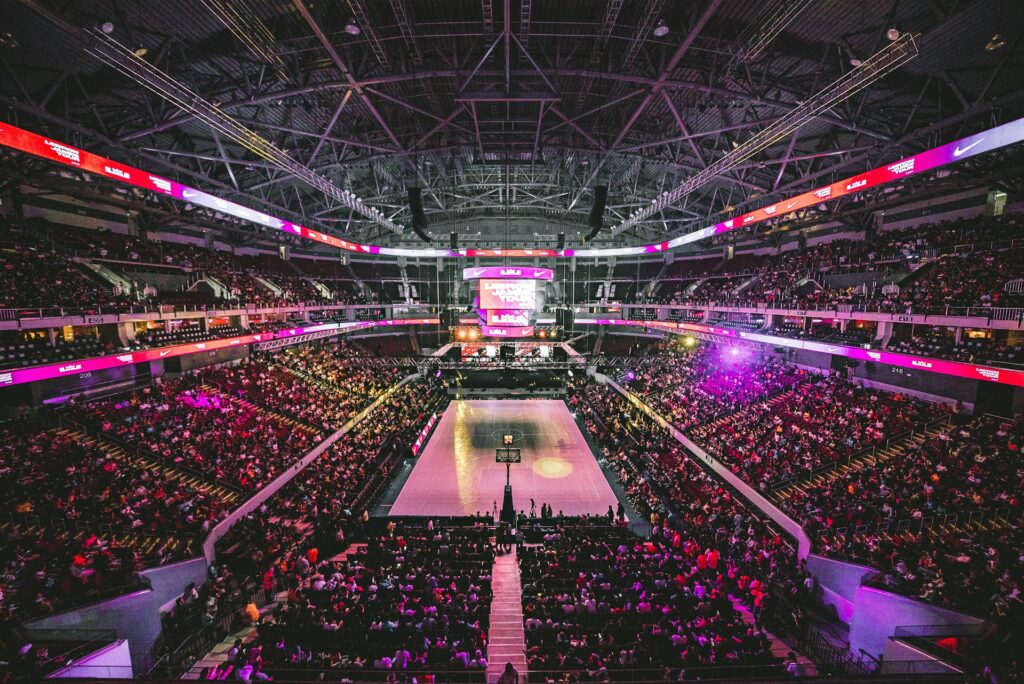
Basketball arenas across the U.S. are evolving to accommodate the changing fanbase, with maintenance playing a key role, including services like soft washing in St. Augustine. Keeping outdoor spaces clean and inviting ensures fans enjoy a welcoming environment for watching games and engaging with the sport.
Basketball as a Cultural Force
In the 21st century, basketball has solidified itself not just as a sport, but as a cultural force that influences fashion, music, politics, and social justice. Players like LeBron James and Chris Paul have used their platforms to speak out on issues of racial inequality, police brutality, and voting rights. This activism has resonated with fans, particularly younger generations who see basketball players as role models and leaders both on and off the court.
Financial backers involved in basketball arena renovations use loan servicing software for private lenders to streamline their operations. This software simplifies loan tracking and payments, ensuring that projects supporting the basketball fanbase are completed on time and without financial disruptions.
The intersection of basketball and culture is perhaps best exemplified by the influence of sneaker culture. Sneakers, particularly those worn by NBA players, have become symbols of status, identity, and creativity. The release of signature shoes from players like Michael Jordan, Kobe Bryant, and LeBron James has created a thriving subculture that extends far beyond the basketball court. Collectors and fashion enthusiasts often camp out for hours or participate in online lotteries just for a chance to buy the latest limited-edition sneakers. This fusion of sport and style has helped make basketball a touchstone of modern pop culture.
As basketball continues to influence other areas of life, the fanbase has become more diverse than ever. The sport’s reach across gender, race, and nationality has made it one of the most inclusive communities in the world of sports. Whether through pickup games on local courts, following teams online, or attending NBA games, basketball fans come from all walks of life, united by their love for the game.
