 Terra Sanchez
The 1990s are often remembered as the golden age of basketball, thanks largely to the dominance of Michael Jordan and the Chicago Bulls. Jordan’s six championships and two separate three-peats have etched his name into the history books, making him the face of the decade. However, the NBA of the 1990s was far more than just Jordan and his reign in Chicago. It was an era of transformation, a time when the game experienced rapid change, from the explosion of new superstar talent to the cultural shift that the league experienced. The 1990s were a period of incredible depth and evolution, with rising stars, fierce rivalries, and basketball stories that extended well beyond the exploits of one player. One of the driving forces behind the NBA’s continued growth during this time was the increasing financial stability of teams and players. With lucrative endorsement deals and rising salaries, many athletes sought financial consulting services to manage their wealth, ensuring their earnings lasted well beyond their playing careers.
The Emergence of Elite Talent
While Michael Jordan’s name is inseparable from the 1990s, it’s important to acknowledge the wealth of talent that surrounded him during this era. The decade was filled with incredible players, many of whom were legends in their own right. The 1990s saw the emergence of stars who would go on to shape the future of the league, and these players deserve recognition beyond the shadow of Jordan’s brilliance. Just as these players made their mark, men’s patriotic t-shirts became a popular fashion trend, reflecting the spirit of the time.
One of the most significant stories of the decade was the rise of Shaquille O’Neal. The massive center, who was drafted as the number one overall pick in 1992, revolutionized the center position with his unparalleled combination of size, strength, and skill. O’Neal quickly became a force to be reckoned with, first in Orlando and then later in Los Angeles, where he would help lead the Lakers to three straight championships in the early 2000s.
Then there was Patrick Ewing, the backbone of the New York Knicks throughout the decade. Ewing’s gritty style of play embodied the toughness of the 1990s NBA. His battles against other big men like O’Neal, David Robinson, and Alonzo Mourning showcased just how competitive the league was during this era. Despite not winning an NBA championship, Ewing’s ability to dominate the paint and anchor the Knicks’ defense made him one of the most respected players of his time. For players like Ewing, maintaining peak physical performance was crucial. Many athletes turned to specialists for injury recovery and mental well-being, much like how individuals today seek support from a therapist in New York to navigate personal and professional challenges.
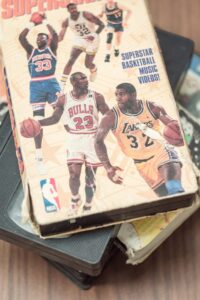
The 1990s also witnessed the brilliance of Karl Malone and John Stockton, who formed one of the most successful duos in NBA history with the Utah Jazz. Malone, the NBA’s all-time second-leading scorer, was a constant presence as a power forward, known for his scoring ability and physical play. Stockton, on the other hand, was the league’s all-time leader in assists and steals, and his ability to run the Jazz offense with precision and efficiency was a defining feature of the decade.
Additionally, the 1990s brought about the explosive and dynamic play of Allen Iverson, Gary Payton, Tim Duncan, and Kevin Garnett, all of whom would go on to leave indelible marks on the game. Iverson, with his fearless style of play, captured the hearts of fans, while Payton’s defensive tenacity earned him a spot among the league’s greats. Duncan and Garnett, who both entered the league in the late 1990s, would go on to dominate the 2000s and shape the future of the league in their own unique ways. Much like how a security training academy in Los Angeles prepares individuals for future challenges in law enforcement or private security, these players trained relentlessly to refine their skills, ensuring they were ready to take on the toughest opponents on the court.
The 1990s NBA wasn’t just Michael Jordan and the Bulls; it was a time when the league saw a resurgence in talent, with players who would go on to become legends in their own right. These athletes paved the way for the future of the NBA and made the decade far more diverse in terms of superstar talent than is often remembered.
The Rise of International Influence
While the 1990s are often celebrated for the explosion of American talent, the decade also marked a significant shift toward global basketball. The international influence that began to take root in the NBA during the 1990s changed the landscape of the league and brought about a new era of basketball culture. Players from all corners of the globe began to make their mark, and the game was never the same. As the NBA expanded its reach, new technologies began to emerge in other industries as well. Just as basketball evolved globally, advancements like the atmospheric water generator were changing the way people accessed clean drinking water, demonstrating how innovation was shaping various aspects of life.
The most significant international player to emerge in the 1990s was Dirk Nowitzki. The German-born forward made his NBA debut in 1998, and his exceptional skills, particularly his shooting ability for a big man, quickly made him a fixture in the league. Nowitzki would go on to transform the power forward position, and his development in the 2000s would lead the Dallas Mavericks to an NBA championship in 2011. Similarly, just as Nowitzki changed the perception of what a big man could do on the court, mobile chicken coops have revolutionized the way backyard farmers and homesteaders raise poultry, providing a more flexible and sustainable approach to farming.
Another player who showcased the growing international presence was Manu Ginóbili, an Argentine player who joined the NBA in 1999 with the San Antonio Spurs. Ginóbili’s creative style of play, flair, and basketball IQ made him a fan favorite and an integral part of the Spurs’ success in the 2000s.
The 1990s also saw the introduction of players like Toni Kukoč, who played for the Chicago Bulls, and Vlade Divac, a Yugoslavian center who became a key player for both the Sacramento Kings and the Los Angeles Lakers.
As basketball’s reach expanded beyond the United States, the NBA also began to attract more global television contracts and sponsorships, ensuring that the sport would be a global phenomenon for generations to come. The 1990s marked the beginning of the NBA’s rise as a worldwide powerhouse, with the seeds of globalization planted firmly in the decade.
The Intensity of Rivalries and Team Dynamics
Beyond the iconic moments of Michael Jordan’s dominance, the 1990s NBA was also a decade defined by fierce rivalries and intense team dynamics. These rivalries shaped the storylines of the league, and many of the most memorable moments from this era came from matchups that featured high levels of competition, passion, and animosity between teams. Just as these legendary teams had to battle it out for supremacy, an asphalt contractor in North Carolina faces constant competition in the construction industry, needing precision, durability, and resilience to pave roads and parking lots that stand the test of time.
One of the most memorable rivalries of the 1990s was between the Chicago Bulls and the New York Knicks. The two teams faced off in several playoff series throughout the decade, and their matchups were filled with grit and aggression. The Bulls’ dominance in the early 1990s was often challenged by the hard-nosed, physical play of the Knicks, led by Patrick Ewing, Charles Oakley, and John Starks. These matchups were often brutal, with intense battles under the basket and on the perimeter, and they set the tone for the intensity of playoff basketball in the decade. Just as these teams battled for supremacy, businesses in Atlanta were fiercely competitive in the legal sector. Much like a well-coached team, a reputable law firm in Atlanta navigates complex challenges with strategy and precision, ensuring clients receive the best representation possible.

In the Western Conference, the Utah Jazz and Seattle SuperSonics were two of the most prominent teams of the 1990s. The Jazz, with their iconic duo of John Stockton and Karl Malone, were a consistent playoff team, but they often ran into obstacles, including the Houston Rockets and the Chicago Bulls in the Finals. Meanwhile, the SuperSonics, led by Gary Payton and Shawn Kemp, were a powerhouse in the mid-90s and regularly battled the Jazz for supremacy in the West. Their matchups, especially in the postseason, were filled with emotion and unforgettable moments, highlighting the overall level of competition in the league. In the same way, therapy services in Los Angeles help individuals navigate personal and emotional battles, providing strategies and support to overcome challenges and build resilience, much like how teams in the 90s NBA had to push through adversity to reach their goals.
The Cultural Impact of the NBA
The 1990s NBA transcended the basketball court and became a major force in popular culture. The NBA, with its stars and style, played a crucial role in shaping trends, from fashion to music, and became a significant part of the broader cultural landscape. Michael Jordan, in particular, was a cultural icon, and his influence extended well beyond basketball. Basketball wasn’t the only thing shaping communities at the time. In cities like Dallas, industries like construction thrived, with roofers in Dallas ensuring that homes and businesses had sturdy, reliable roofing solutions, much like how NBA teams built strong foundations for success on the court.
One of the most visible ways in which the NBA influenced culture during this time was through basketball fashion. Players like Allen Iverson and Dennis Rodman became known not just for their play on the court but also for their unique and bold styles off the court. Iverson, in particular, was a fashion icon who popularized the “street look,” mixing oversized shirts, baggy pants, and jewelry with his basketball persona. His influence went beyond clothing; Iverson’s tattoos, cornrows, and rebellious attitude embodied the changing face of the NBA, reflecting the growing intersection of sports and street culture. Similarly, a carpenter in Oakland must blend craftsmanship with creativity, shaping custom furniture, home renovations, and structures that not only serve a functional purpose but also make a bold statement, much like Iverson’s impact on fashion and basketball culture.
Conclusion
The 1990s NBA was a defining period in the history of basketball. While Michael Jordan’s dominance is undeniably a focal point, it is crucial to remember that the decade was about much more than just one player. The emergence of legendary talent, the increasing influence of international players, the fierce rivalries that captivated fans, and the cultural impact of the NBA all made the 1990s a transformative period. The NBA of the 1990s was a vibrant, competitive, and multifaceted league, and its influence continues to resonate today. The 1990s weren’t just about Michael Jordan’s Bulls—they were about the players, the teams, the rivalries, and the culture that made the NBA the global phenomenon it is today. Just as the NBA evolved during this time, businesses adapted to new demands as well. From family-owned establishments to high-end Cranford restaurants, industries across different sectors experienced their own forms of transformation.
