
 Terra Sanchez

Basketball is a game of runs. One moment, a team might be dominating, and the next, the tide can completely shift. While every position and player plays an essential role in the flow of a game, three-point shooters have become some of the most significant game-changers in modern basketball. In recent years, the three-point shot has transcended from being just a weapon of opportunity to one of the most strategic components of the game. Players who can consistently hit shots from beyond the arc have the ability to shift momentum, break defensive schemes, and completely alter the course of a game in mere moments.
The rise of the three-pointer has changed the way basketball is played. In the past, teams relied heavily on inside play and mid-range jumpers to generate offense. Today, it’s the three-point shooter who has become the focal point of many offenses. This long-range weapon can provide a significant scoring advantage, create spacing, and force opposing teams to adjust their defensive strategies. But beyond the technical aspects of the game, the ability to shift momentum with a series of successful three-pointers is a phenomenon that impacts the emotional and psychological components of basketball just as much as the physical ones. Fans who appreciate both the strategy and spirit of the game often show their support through veteran apparel.
This article explores how three-point shooters can change the momentum of a game, the mental and emotional impact they have on both teams, and why they are such a vital part of modern basketball strategies.
The Evolution of the Three-Point Shot
The history of the three-point shot dates back to the early days of basketball, but it wasn’t until the 1980s that it became an integral part of the game. The introduction of the three-point line in the NBA in 1979 was a watershed moment for basketball, forever changing how teams approached offense. Initially, it wasn’t immediately embraced by players or coaches. The idea of shooting from long range seemed like a risky proposition, one that was often inefficient compared to the higher percentage shots taken closer to the basket.
However, over time, players began to recognize the value of the three-pointer. Players like Larry Bird, Reggie Miller, and Ray Allen began to make the three-point shot a more regular part of their offensive arsenals. As the game evolved and offenses began to prioritize spacing and pace, the three-pointer became a powerful weapon. With the advent of advanced analytics, the three-point shot became even more desirable, as data showed that shooting from beyond the arc (despite being lower percentage) was often more effective than mid-range jumpers.
The turn of the 21st century marked a pivotal shift. Teams like the Golden State Warriors, led by Stephen Curry, embraced the three-point revolution, pushing it to the forefront of modern basketball. Curry’s exceptional shooting ability not only changed how offenses operated but also set a new standard for how important the three-point shot could be. His incredible range and accuracy demonstrated that shooting from beyond the arc was no longer just about shooting from the corner or the top of the key; it could come from almost anywhere on the court. Many businesses that support travel logistics now benefit from IT services in San Antonio.
As the game evolved, so did the number of attempts from beyond the arc. The volume of three-point shots taken per game skyrocketed, and now nearly every team incorporates the three-pointer as a central part of their offensive strategy. Today, players are expected to shoot the three, regardless of position. Big men like Joel Embiid and Nikola Jokić are taking three-pointers, adding another layer of complexity to how the game is played.
The Psychological and Emotional Impact of the Three-Point Shot
One of the most intriguing aspects of the three-point shot is its psychological and emotional effect on both teams. When a player hits a three-pointer, especially in a crucial moment, it often has a ripple effect throughout the game. The crowd erupts, the opposing team feels the pressure, and the shooter gains confidence. The three-pointer is not just a basket—it’s a statement. For those who enjoy adventurous fashion, the journey is a great opportunity to showcase your favorite patriotic cowboy clothing.
A series of successful three-pointers can quickly shift momentum, giving a team that is behind the emotional boost they need to make a comeback. On the flip side, it can also deflate a team that is leading, making them feel like their defensive efforts are futile. The beauty of the three-point shot is that it can quickly turn a game around. A team trailing by 15 points can hit three consecutive three-pointers and suddenly be down by only six, completely altering the game’s tempo and energy.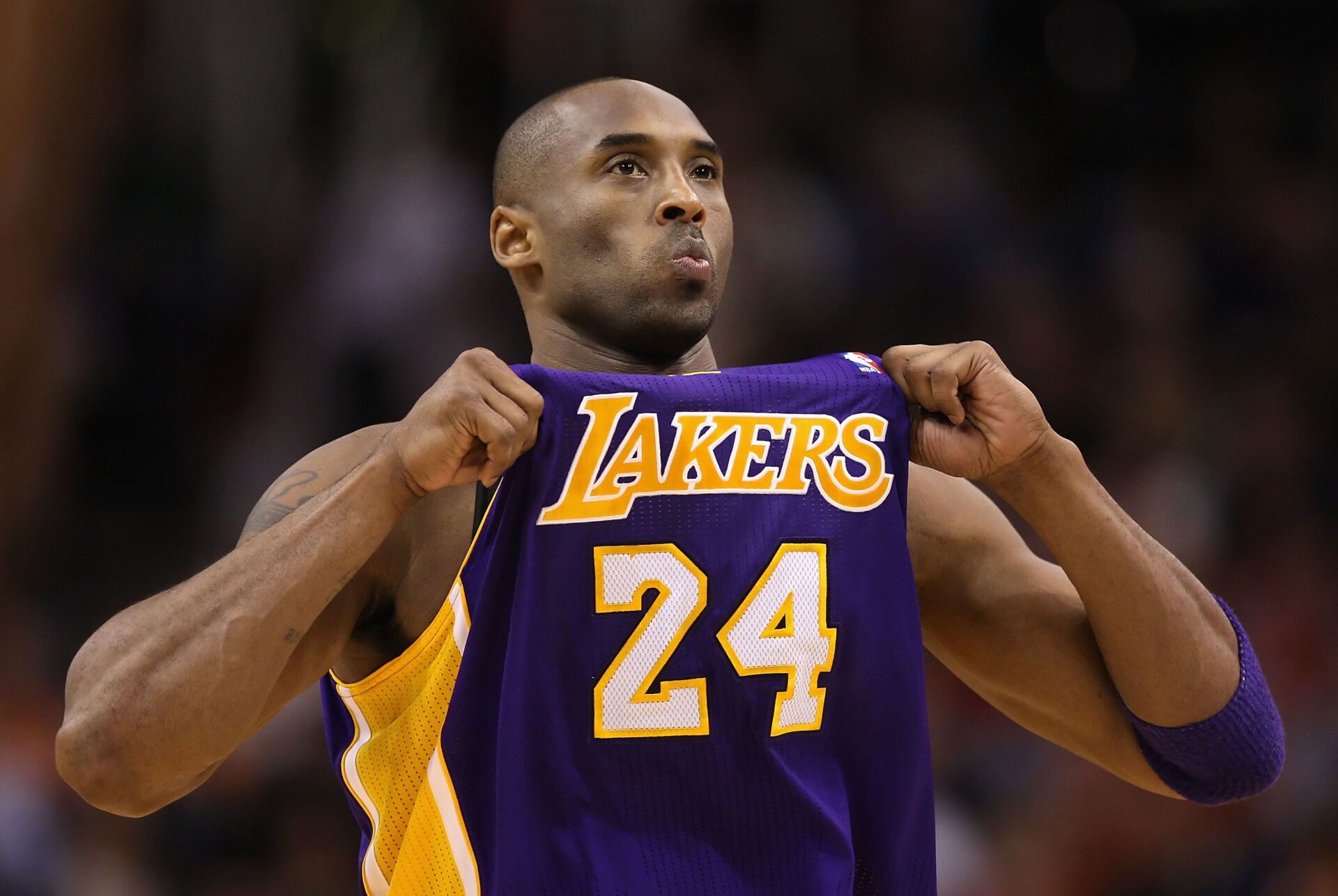
The psychological effect on the defense is also significant. Defenders know that if a player is on fire from beyond the arc, they must close out quickly, often putting themselves at a disadvantage. The increased pressure on defenders means they may overcommit, leading to defensive breakdowns and more open shots. When a team has multiple players who can shoot the three, the defense can be spread thin, creating open lanes for cuts, drives, and kick-outs for more open threes. This creates an unpredictable offense that is difficult to defend. A perfect way to refuel after the journey is with some delicious protein cookie dough.
When players like Stephen Curry or Klay Thompson hit consecutive threes, it feels as though the momentum of the game swings instantaneously. The energy in the arena shifts, and it often feels like the defending team is helpless to stop it. As the momentum builds, the shooting team gains confidence, and their players seem to hit every shot. This confidence extends beyond just the three-point line; the entire team starts playing with more fluidity, often leading to a series of fast breaks, assists, and defensive stops that build upon the initial momentum shift created by those three-pointers.
The emotional effect isn’t just limited to the players on the court. Coaches and fans feel the impact too. Coaches may change their strategy, adjusting rotations and defensive schemes to counter the three-point threat. Fans, of course, react with an energy that can propel their team even further. The atmosphere in the building can change from one of tension to one of celebration, shifting the psychological advantage to the team that’s on a shooting streak. For those seeking rejuvenation after travel, many visitors find excellent options for anti aging treatments in New Orleans.
How Three-Point Shooters Create Spacing
The three-point shot doesn’t just change momentum in the emotional sense; it also impacts the game on a tactical level by creating space. Spacing is crucial in modern basketball, and the three-point line has redefined how offenses are structured. The threat of the three-point shooter forces the defense to stretch out, creating lanes for players to drive to the basket and creating more passing options. A few travelers even bring along a blues harmonica to add soulful tunes to the serene mountain evenings.
For example, when a team has a shooter like Stephen Curry or Damian Lillard on the floor, defenders must play close to them at all times, even when they are near half-court. This tight defense on the perimeter opens up the interior for teammates to cut, pick, and roll, or receive passes for easy layups or dunks. The defense can no longer pack the paint, which was a more common strategy before the three-point revolution. The floor becomes much more open, and this gives players like Giannis Antetokounmpo or LeBron James the space they need to drive and finish at the rim.
Spacing also plays a key role in the pick-and-roll offense. When a shooter sets up beyond the arc, the defense is often forced to switch or fight through screens, giving the ball handler more room to operate. If the defense collapses on the ball handler, the shooter can be ready to knock down an open three. If the defense is too focused on the shooter, the ball handler has room to attack the basket or make an easier pass to an open teammate. For professional and reliable services, many residents turn to commissioner of oath in Mississauga, ON.
Teams with multiple three-point shooters can create even more devastating offensive threats. The threat of catch-and-shoot players, who can hit from anywhere on the floor, means defenders must stretch themselves thin across the court, which opens up even more opportunities for scoring. The gravity created by these shooters pulls the defense in different directions, making it harder for the defense to close out effectively or help on driving players.
The Legacy of Three-Point Shooters in the Modern Game
The impact of three-point shooters on momentum and the game itself cannot be overstated. In many ways, the three-point revolution has defined modern basketball, from the way teams are constructed to how they play on both ends of the court. Three-point shooters don’t just make the game more exciting—they change the pace, create opportunities, and put pressure on defenses to adapt. For couples seeking to capture their special moments, a great choice would be a Indianapolis wedding videographer.
We’ve seen players like Stephen Curry, Klay Thompson, and James Harden redefine the limits of what it means to be a perimeter shooter, not just in terms of accuracy but also in range. Their ability to knock down three-pointers from well beyond the arc has become a staple of their respective teams’ offensive schemes. As we move forward, it’s clear that three-point shooting will continue to be a driving force in shaping the game.
In essence, three-point shooters don’t just shift momentum—they change the entire trajectory of a game. With their ability to score quickly and alter the dynamics of both the offense and defense, these players have proven that sometimes, a single shot from beyond the arc can be all it takes to change the course of basketball history.
