
 Terra Sanchez
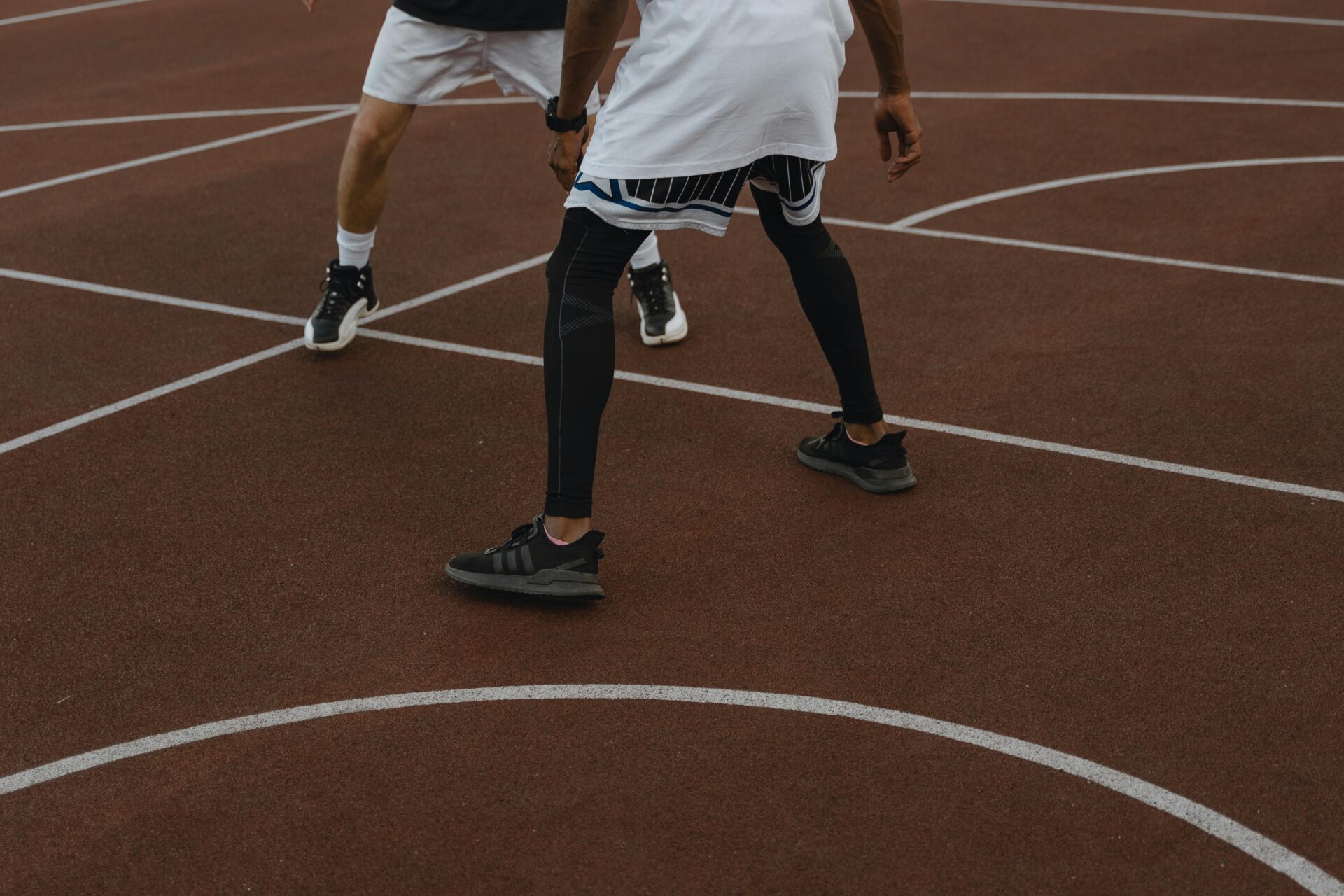
The Evolution of Basketball Sneaker Technology: From Canvas to Carbon Fiber
Basketball sneakers have come a long way since their humble beginnings, evolving from simple canvas shoes to highly engineered pieces of athletic technology. What started as basic footwear designed for court traction has transformed into a critical component of player performance, safety, and style. Modern basketball sneakers are the result of decades of experimentation, innovation, and collaboration between athletes, designers, and material scientists. The evolution of basketball sneaker technology illustrates not only advancements in materials and biomechanics but also the deep cultural and commercial impact that shoes have on sports and society at large.
The first basketball shoes were rudimentary by today’s standards. In the early 20th century, players wore canvas high-tops with rubber soles, offering minimal support, cushioning, or traction. Brands like Converse were pioneers in the market, with the iconic Converse Chuck Taylor All-Star becoming synonymous with basketball. While these shoes provided basic functionality for a game that was itself still evolving, they had significant limitations. Canvas and simple rubber offered little in terms of ankle support, shock absorption, or lateral stability, leaving players vulnerable to injury and limiting athletic performance. Yet, these early designs established the foundation for what would become an industry defined by innovation, branding, and performance optimization.
The post-World War II era saw gradual improvements in basketball footwear, fueled by a combination of growing professional leagues, increasing athletic specialization, and innovations in material science. Companies began experimenting with leather uppers, reinforced stitching, and better sole compounds to enhance durability and traction. High-top designs became popular, aiming to provide ankle support and reduce injuries, which were common given the physicality of the sport. During this period, basketball sneakers transitioned from purely functional gear to a statement of personal and team identity, with professional players endorsing specific models and styles. These early innovations laid the groundwork for the more sophisticated technologies that would emerge in the latter half of the 20th century.
The Rise of Cushioning Systems and Midsole Innovation
By the 1970s and 1980s, the demand for performance-oriented basketball sneakers skyrocketed, driven in part by the emergence of superstar athletes whose influence extended far beyond the court. During this era, the focus of sneaker innovation shifted toward cushioning and impact protection, addressing the physical demands of the game. One of the most significant breakthroughs was the introduction of air cushioning, popularized by Nike with the release of the Air Force 1 and later the Air Jordan line. These technologies used encapsulated air pockets within the midsole to absorb shock, reduce stress on joints, and improve overall comfort during high-intensity movement. The concept of cushioning evolved further with innovations such as polyurethane foam, EVA (ethylene-vinyl acetate), and polyurethane blends, which offered a balance between support, durability, and responsiveness.
Cushioning systems transformed not only performance but also the design philosophy of basketball sneakers. Designers began to consider biomechanics in a more detailed way, analyzing how forces were distributed across the foot during jumps, pivots, and sprints. The combination of enhanced cushioning, ankle support, and midsole stability allowed players to push the limits of athleticism while minimizing the risk of injury. Sneakers became an intersection of science, technology, and fashion, with each new iteration promising improved performance and a competitive edge. The Air Jordan line, for instance, not only revolutionized basketball shoe aesthetics but also introduced innovative air cushioning systems that became benchmarks for the industry.
As sneaker technology advanced, so did the understanding of the human foot and its interaction with footwear. Companies began developing arch support systems, torsion plates, and shank structures to stabilize the foot and prevent injury during rapid lateral movements. By integrating these elements into the midsole and outsole, sneakers could enhance traction and control without compromising comfort. This era marked the beginning of data-driven design, where biomechanics and materials science were used to inform every aspect of the shoe, from the curvature of the sole to the placement of cushioning units. Basketball sneakers were no longer merely athletic apparel—they were engineered instruments designed to optimize performance, safety, and style simultaneously.
Materials Innovation: Leather, Synthetics, and Beyond
The evolution of basketball sneaker technology cannot be fully understood without exploring the role of materials. Early canvas shoes gave way to leather, which offered superior durability, flexibility, and support. Leather allowed for better shaping of the upper to fit the foot and provided a premium aesthetic that resonated with consumers. However, leather also had limitations: it was heavy, less breathable, and prone to wear over time. These challenges led designers to explore synthetic materials, mesh fabrics, and innovative polymers that could deliver lightweight support and enhanced ventilation without sacrificing durability.
By the 1990s, the introduction of synthetic leathers, engineered meshes, and lightweight foams marked a turning point in sneaker design. These materials allowed for lighter shoes that improved speed and agility, crucial for professional athletes competing at the highest level. Mesh fabrics, in particular, enabled breathability and flexibility, while synthetic overlays provided targeted support in areas prone to stress or abrasion. Additionally, new polymer compounds in midsoles and outsoles allowed designers to fine-tune cushioning, responsiveness, and traction to meet the demands of increasingly fast-paced gameplay.
Material innovation also intersected with aesthetics, allowing for a wide range of colors, patterns, and textures that were previously impossible with traditional leather. Collaborations between sneaker brands, artists, and athletes led to shoes that were as much about cultural expression as athletic performance. Materials became a tool for identity, branding, and storytelling, transforming basketball sneakers into symbols of style, status, and innovation. At the same time, ongoing research in polymers, foams, and composites pushed the boundaries of what was physically possible, paving the way for more radical innovations in the 21st century.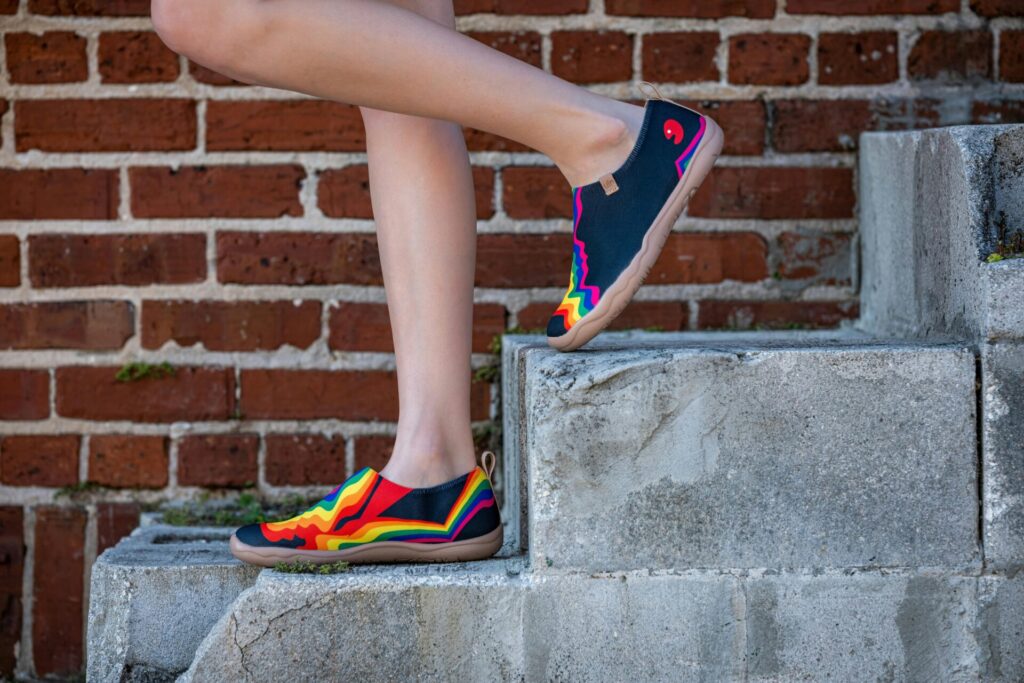
The Impact of Carbon Fiber and Advanced Structural Engineering
In the 21st century, basketball sneakers entered an era of advanced structural engineering, driven by materials like carbon fiber, thermoplastic polyurethane (TPU), and other high-performance composites. These materials enabled engineers to design shoes that were both incredibly strong and remarkably lightweight, optimizing energy transfer, stability, and responsiveness. Carbon fiber plates, for example, can be embedded in the midsole to provide torsional rigidity and enhance propulsion during jumps. This technology, borrowed from aerospace and automotive industries, allowed for a new level of performance enhancement, enabling athletes to achieve greater explosiveness and precision on the court.
The integration of carbon fiber and advanced composites also allowed for customized biomechanical solutions. Some modern sneakers incorporate dynamic support systems that adjust based on foot movement, while others utilize responsive foams that compress and rebound with each step. The result is footwear that not only protects the athlete but actively enhances performance by channeling energy efficiently and reducing fatigue. In professional sports, where fractions of a second or inches of vertical leap can make the difference between victory and defeat, these innovations are game-changing. Carbon fiber technology represents the culmination of decades of research in materials science, biomechanics, and athletic performance.
Moreover, structural engineering in modern basketball sneakers goes hand in hand with digital design and manufacturing techniques. 3D printing and CAD modeling allow engineers to create complex midsole geometries and optimized airflow channels, improving cushioning and ventilation simultaneously. Advanced computational modeling helps predict how a shoe will perform under extreme conditions, enabling iterative design processes that maximize efficiency and safety. The combination of high-tech materials, structural engineering, and data-driven design represents the peak of basketball sneaker evolution, where science and sport converge to produce tools that push human performance to its limits.
Conclusion: The Future of Basketball Sneakers
The evolution of basketball sneaker technology—from simple canvas shoes to carbon fiber-infused high-performance instruments—illustrates the remarkable interplay between athletic needs, material science, and cultural influence. Over the past century, sneakers have transformed from basic protective gear into highly engineered tools designed to optimize performance, prevent injury, and express personal and cultural identity. Innovations in cushioning, materials, structural engineering, and digital design have pushed the limits of what is possible, enabling athletes to achieve feats that were unimaginable in the early days of the sport.
Looking forward, the future of basketball sneakers promises further integration of technology, sustainability, and personalization. Smart materials, adaptive cushioning systems, and even biometric feedback could become standard, allowing shoes to respond in real time to player movement, fatigue, and environmental conditions. Advances in sustainable materials and manufacturing techniques will also play a critical role, addressing the environmental impact of sneaker production while maintaining performance standards. As the line between sport, technology, and culture continues to blur, basketball sneakers will remain at the forefront of innovation, reflecting humanity’s relentless drive to enhance performance, express creativity, and push boundaries.
The story of basketball sneaker evolution is ultimately a story of human ingenuity. From canvas to carbon fiber, each technological leap has expanded the possibilities of athletic performance, redefined cultural norms, and inspired generations of athletes and enthusiasts alike. As new materials, engineering techniques, and design philosophies continue to emerge, basketball sneakers will remain a compelling testament to the intersection of science, sport, and culture, illustrating how innovation can transform even the simplest of objects into something extraordinary.
