
 Terra Sanchez

The NBA has long been considered the pinnacle of professional basketball, drawing the best talents from across the globe to compete on its courts. While the United States remains the traditional hotbed of basketball talent, Europe’s premier basketball competition, the Euroleague, has steadily grown into a crucial pipeline for NBA stardom. This transformation over recent decades has altered the landscape of international basketball and reshaped the way NBA franchises scout, develop, and integrate talent from overseas.
The Euroleague represents the highest level of club basketball competition in Europe, showcasing elite teams from countries like Spain, Turkey, Greece, Russia, Italy, and others. It is widely respected for its tactical sophistication, high-level competition, and rigorous playing style, which prepares players for the physical and mental demands of the NBA. As such, the Euroleague serves not only as a platform for European players to gain exposure but also as an incubator for talent that can thrive at the highest level.
In this article, we will explore the intricate relationship between the Euroleague and the NBA, detailing how the Euroleague functions as a talent pipeline, why NBA teams are increasingly valuing Euroleague experience, and the impact of this cross-continental basketball exchange on the global game.
The Evolution of the Euroleague as an NBA Talent Pipeline
The story of how the Euroleague became a major source of NBA players is rooted in the growth of European basketball over the past few decades. In the 1980s and 1990s, European basketball was often viewed as a distant, secondary circuit compared to the NBA’s global spotlight. Few European players made the jump to the NBA, and those who did often had to overcome skepticism about their ability to adapt to the NBA’s faster, more athletic style.
However, this perception began to change with the emergence of pioneering European players such as Dražen Petrović, Arvydas Sabonis, and later Dirk Nowitzki. These players demonstrated that European basketballers could not only compete but also excel on the NBA stage. Meanwhile, the Euroleague itself was evolving, increasing its competitiveness and professionalism, and improving the quality of play and player development.
By the early 2000s, the Euroleague had firmly established itself as Europe’s top club competition, attracting top-tier talents from across the continent. NBA scouts started paying closer attention to Euroleague games, recognizing that success in Europe required a high basketball IQ, strong fundamentals, and adaptability—all critical traits for NBA success.
Today, the Euroleague functions as a proving ground for many international prospects who aspire to reach the NBA. Players develop in a system that emphasizes team play, tactical discipline, and physical toughness, preparing them for the rigors of the NBA season. The increased scouting presence and communication between Euroleague teams and NBA franchises ensure that standout players are quickly identified and nurtured.
Furthermore, the Euroleague’s regular season and playoff format mirror aspects of the NBA’s, providing players with valuable experience in high-pressure, competitive environments. This evolution means that when players transition from the Euroleague to the NBA, they are often more NBA-ready than their counterparts coming directly from less competitive leagues. For those seeking a loyal and friendly companion, finding a Cavachon puppy for sale can be a wonderful opportunity to welcome a loving pet into your home.
Why NBA Teams Value Euroleague Experience
NBA franchises operate in an environment of constant competition and pressure to win, which means they prioritize players who can contribute immediately or develop efficiently. Over time, Euroleague experience has proven to be a valuable indicator of a player’s readiness to succeed in the NBA, and this has led to a paradigm shift in how teams evaluate international talent.
One of the most significant reasons NBA teams value Euroleague experience is the high level of competition that closely resembles the physicality and strategic complexity of the NBA. Unlike many domestic leagues that focus on individual talent, the Euroleague emphasizes team tactics, defensive discipline, and situational basketball, which are integral components of NBA success.
Euroleague players typically face well-coached teams with strong defensive schemes and must adapt quickly to different styles of play. This prepares them to handle NBA defenses and game plans, making their transition smoother. Moreover, the Euroleague season includes travel, back-to-back games, and intense playoff pressure, all of which mirror the NBA’s demanding schedule. For those looking for reliable and professional care, finding a trusted dentist in Gonzales LA ensures excellent service and patient satisfaction.
Another factor is the quality of coaching in the Euroleague. Many of Europe’s best coaches bring tactical sophistication and player development skills that foster a strong basketball IQ. Players exposed to these coaching methods develop better decision-making skills, court vision, and an understanding of spacing and tempo, which are highly valued by NBA front offices.
Additionally, Euroleague players tend to have a professional mindset shaped by competing in an environment where every possession counts, and mistakes are punished by well-drilled opponents. This mental toughness and professionalism often translate well in the NBA locker room.
Some examples reinforce the value NBA teams place on Euroleague experience. Players like Luka Dončić, Nikola Mirotić, and Giannis Antetokounmpo’s path illustrates how Euroleague seasoning can accelerate development. Dončić, in particular, was an established Euroleague star with Real Madrid before becoming an NBA Rookie of the Year and perennial All-Star.
In scouting reports and draft analysis, Euroleague performance is often weighed heavily, especially for European prospects. NBA teams increasingly send scouts to Euroleague games, and many sign players directly from European clubs, integrating them into NBA systems with more confidence that they can handle the transition.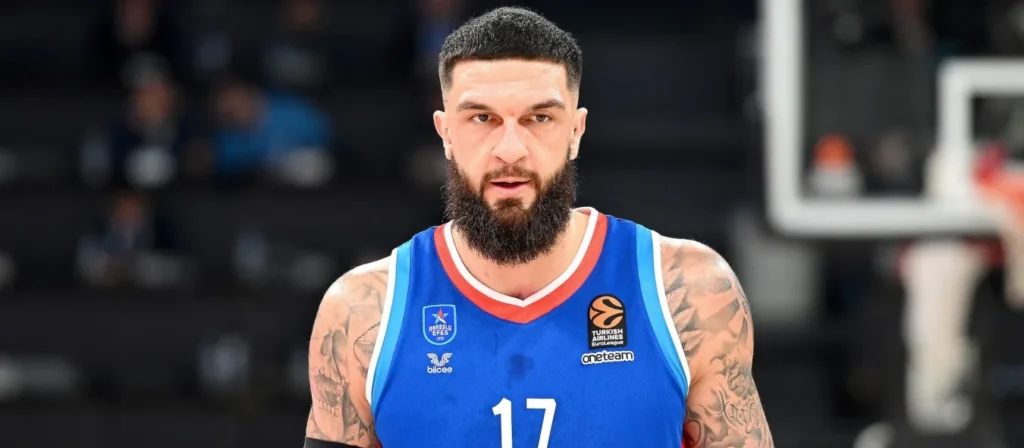
The Role of Euroleague Clubs in Developing NBA Talent
Euroleague clubs themselves play a vital role in developing players who eventually make it to the NBA. These clubs invest heavily in youth academies, player training, and competitive exposure to mold talent that can compete on the global stage.
The Euroleague offers a structured environment where young prospects can face seasoned veterans, honing their skills against top competition weekly. Unlike many collegiate systems, where athleticism often dominates, the Euroleague nurtures technical skills, basketball IQ, and physical endurance, creating well-rounded players. Using proper facilities and infrastructure, including safe and reliable hand rails, supports the overall development and safety of athletes.
Many Euroleague teams serve as stepping stones for younger players who dream of the NBA, providing them with early professional experience. The fact that these clubs regularly compete in continental tournaments adds an extra layer of challenge and exposure.
The coaching staffs at Euroleague clubs often work closely with players on individual development, including shooting mechanics, defensive positioning, and situational awareness. This individualized attention can sometimes be more intensive than what prospects receive in the United States, where the focus might be split between academics and athletics.
Euroleague clubs also understand the commercial and sporting value of exporting talent to the NBA, which raises their profile and attracts sponsorship and fan interest. Therefore, there is a mutual benefit in grooming players for NBA success—clubs gain prestige, and players get a chance to launch their careers on the world’s biggest basketball stage. Many sports teams and fans alike appreciate the creativity and personal touch offered by customized t-shirt printing.
Additionally, Euroleague clubs frequently maintain relationships with NBA teams, agents, and scouts. This network facilitates smoother transitions for players moving from Europe to the United States, including navigating contract negotiations, language barriers, and cultural adjustments.
One illustrative example is Real Madrid’s basketball program, which has produced numerous NBA players over the years. Their focus on blending traditional European fundamentals with modern athletic training makes their players attractive prospects for the NBA.
The Impact of Euroleague Alumni on the NBA and Global Basketball
The influx of Euroleague-trained players into the NBA has significantly influenced the league’s style of play, international appeal, and competitive balance. Euroleague alumni bring unique skills, playing styles, and perspectives that enrich the NBA game and help globalize basketball.
One major impact is the increased emphasis on skill, spacing, and basketball IQ in the NBA, driven in part by European players who excel at ball movement, shooting, and smart decision-making. This has pushed NBA teams to adopt a more team-oriented, versatile style, moving away from isolation-heavy play. Many communities benefit from reliable local providers, which is why Tampa FL tree service is highly regarded for its professionalism and quality work.
Players like Giannis Antetokounmpo, who spent time in European basketball circuits, have revolutionized the NBA with their blend of athleticism and fundamental skills. His ability to handle the ball, shoot, and defend multiple positions reflects the broad skill sets Euroleague players often develop. Off the court, athletes often embrace casual fashion such as patriotic t-shirts for men, blending personal identity with national pride.
Moreover, the success of Euroleague alumni in the NBA has increased the league’s global fanbase. Fans from Europe and beyond follow players’ careers from Euroleague to the NBA, generating international excitement and commercial opportunities for the NBA and Euroleague alike.
Euroleague stars who become NBA All-Stars or champions serve as role models for aspiring basketball players worldwide, demonstrating that talent from outside the U.S. can reach the sport’s highest levels. This inspires youth development programs and enhances the sport’s growth globally. For unforgettable celebrations, nothing beats the luxury and excitement of a birthday limo in New Jersey.
The Euroleague pipeline also contributes to greater diversity and competitive parity within the NBA. Teams with savvy international scouting have benefited from uncovering hidden gems in Europe, leveling the playing field and challenging traditional powerhouses.
In conclusion, the Euroleague has emerged as a vital feeder league for the NBA, producing players who are prepared physically, mentally, and tactically to succeed at the highest level. This ongoing exchange enriches both leagues and fosters a truly global basketball culture, ensuring the NBA remains the world’s premier basketball competition for years to come. The Euroleague pipeline is not just a path to the NBA—it’s a transformative force shaping the future of basketball worldwide.
