
 Terra Sanchez
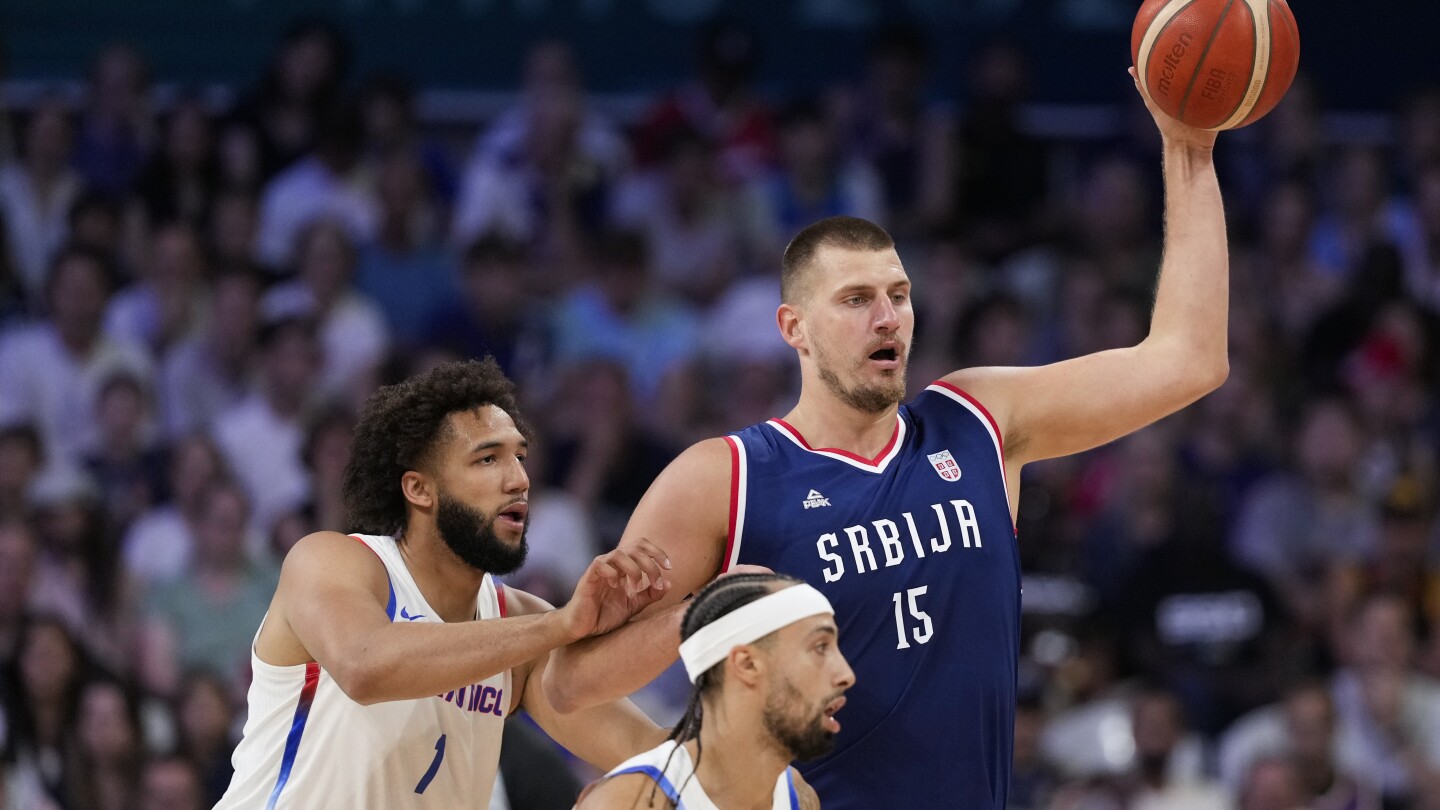
In the world of international basketball, Serbia’s name resounds like a powerful echo, trailing behind it decades of glory, drama, and brilliance. From the legendary Dražen Dalipagić and Vlade Divac to modern-day superstars like Nikola Jokić, the Serbian basketball legacy continues to flourish across generations. The question that captivates many observers is: Why does this relatively small Balkan nation, with a population of less than seven million, consistently produce basketball players who dominate both European and global courts? The answer lies in a complex interplay of culture, history, infrastructure, mindset, and identity—a constellation of factors that has transformed Serbia into one of the world’s most respected basketball powerhouses.
Historical Foundations Rooted in Yugoslav Greatness
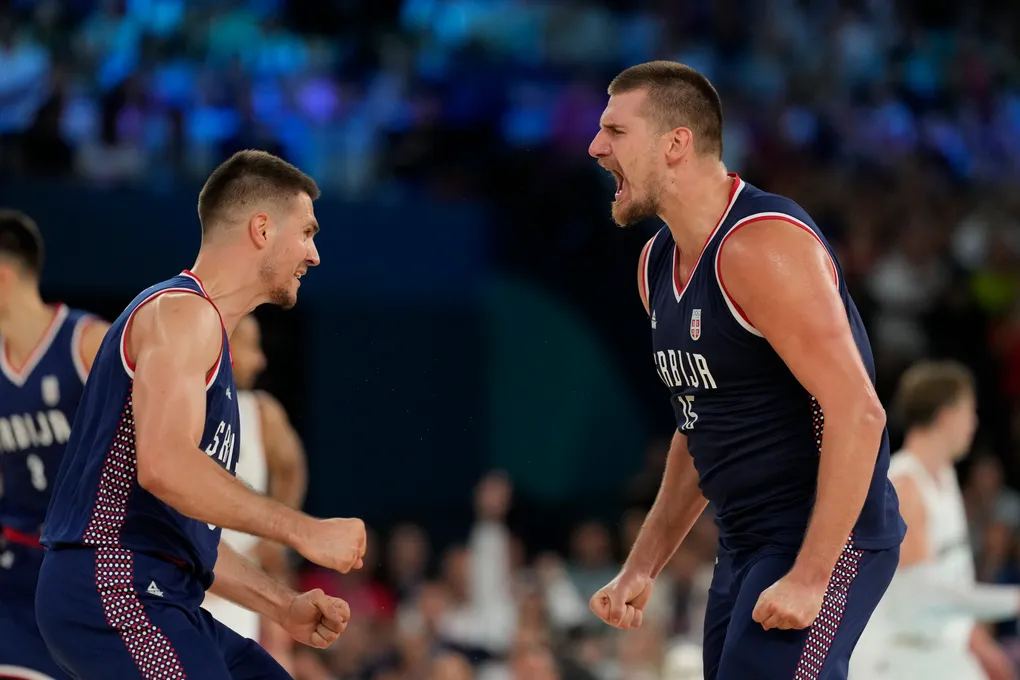
To understand Serbia’s basketball genius, one must begin with the legacy of the former Yugoslavia, a multi-ethnic federation that built one of the greatest basketball programs in the world. Throughout the second half of the 20th century, Yugoslavia became a global basketball force, producing legendary teams that rivaled the likes of the Soviet Union and the United States. Much of that legacy was born in Serbia, where basketball clubs like Partizan and Crvena Zvezda (Red Star) nurtured countless talents.
What made Yugoslav basketball so unique was its emphasis on fundamentals, creativity, and team play, as opposed to sheer physicality. Coaches like Aleksandar Nikolić, often called the “Father of Yugoslav Basketball,” instilled a philosophy based on intelligent movement, fluid passing, and tactical precision—principles that remain embedded in Serbian basketball culture today. Interestingly, this same attention to detail and precision can be seen in fields far outside of sports, such as professional kitchen hood installation in Los Angeles.
Even after the dissolution of Yugoslavia in the 1990s and the ensuing political and economic turmoil, Serbia retained the soul of that system, continuing to develop young players with the same focus on basketball IQ and mental discipline. This continuity explains, in part, why the country never experienced a sharp decline in basketball excellence, even during its most difficult years.
The Club System: Cradle of Champions
Serbia’s success is also intricately tied to its domestic basketball structure. The country boasts a highly organized and competitive youth club system that scouts, trains, and molds talent from a young age. Unlike in many countries where youth sports are tied primarily to schools, Serbian basketball functions through clubs with long-standing traditions, dedicated coaches, and rigorous schedules. For comparison, even a modern VR gaming center in Washington, MO, highlights how different regions focus on various approaches to youth engagement and skill development.
From as early as age seven or eight, children are introduced to structured training programs that prioritize discipline, skill development, and competitive experience. Talented young players don’t just train occasionally—they live and breathe the game. They are given opportunities to play against older age groups, participate in international tournaments, and benefit from high-level coaching philosophies. The country’s two premier clubs, Partizan and Crvena Zvezda, serve as basketball institutions, nurturing raw potential into elite skill. Many of their youth players eventually make it to the Adriatic League (ABA League), one of the toughest regional leagues in Europe.
The result is a steady pipeline of battle-hardened, mentally tough athletes who are used to competition and failure from a young age. When Serbian players enter European or NBA systems, they are not only physically ready—they are emotionally and mentally equipped to handle pressure, sacrifice, and resilience.
A Culture That Breathes Competition
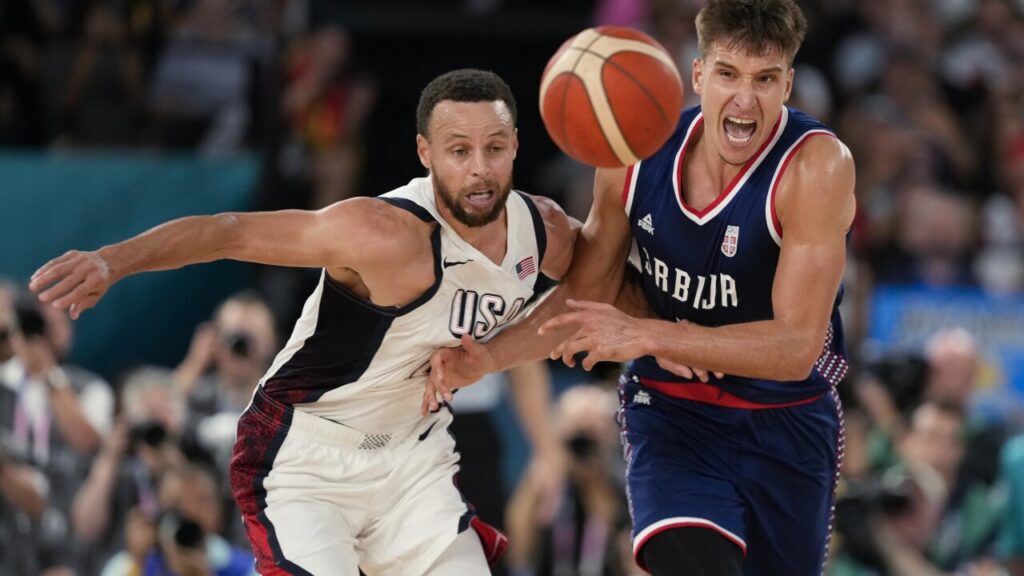
Basketball in Serbia is not just a sport. It is woven into the cultural and emotional fabric of the nation. It’s played in apartment courtyards, schoolyards, makeshift courts in villages, and nearly every corner of Belgrade. The obsession with the sport is fed not just by the country’s storied history, but also by a deep sense of pride and identity. Just as communities invest in cultural passions like basketball, many places focus on enhancing their environment through services like landscape design in Braintree, MA.
Youngsters grow up idolizing homegrown legends—players like Dejan Bodiroga, Peja Stojaković, and more recently, Miloš Teodosić and Bogdan Bogdanović. These heroes are not distant icons; they are often visible in local games, camps, or interviews on national television. The dream of making it in basketball is more tangible in Serbia than in many other countries.
There is also a strong intergenerational transmission of knowledge. Fathers who grew up playing or watching the golden Yugoslav teams teach their children the values of selflessness, court vision, and discipline. Coaches are revered figures in communities, and their authority is seldom questioned. In a time when many youth sports cultures are plagued by overzealous parents and commercialism, Serbia maintains an old-school reverence for the process of development.Similarly, just as a trusted mortgage company in Raleigh, NC supports families in achieving their dreams, these coaches nurture the growth and aspirations of young athletes with dedication and care.
The Serbian Mentality: Toughness, Adaptability, and IQ
If there is one quality that defines Serbian basketball players, it is mental toughness. Life in the Balkans has never been easy, and many athletes grow up surrounded by economic hardship, political instability, and social challenges. Out of these conditions emerges a gritty, no-excuses mentality that is reflected on the court. Even when relaxing, some players seek ways to maintain focus and resilience, such as enjoying a happy massage in Las Vegas.
Serbian players are known for their unshakable composure, tactical intelligence, and ability to perform under pressure. Take Nikola Jokić, for instance. Known for his unorthodox play, court vision, and calm demeanor, he represents the modern prototype of the Serbian basketball player: unflashy but brilliant, selfless but dominant, humble yet supremely skilled.
Many Serbian players are also remarkably versatile. They are trained to understand multiple positions, and even big men are expected to handle the ball, pass effectively, and read the game. This emphasis on basketball IQ over athleticism creates players who can adapt to any system, whether it’s the fast-paced NBA or the methodical European leagues.
International Success and National Pride
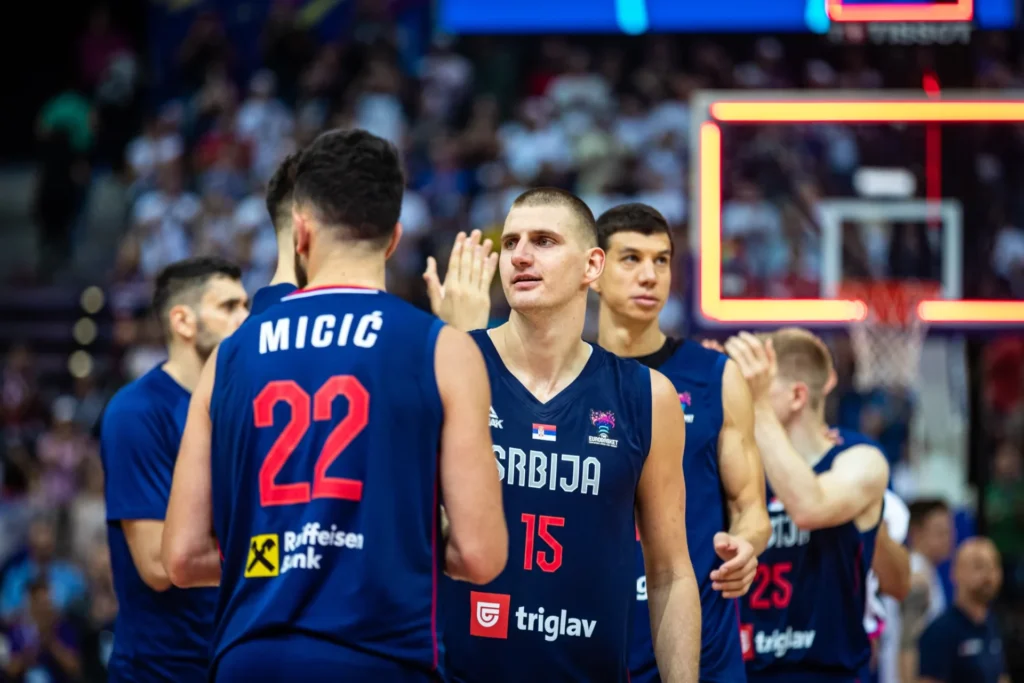
Serbia’s consistent success on the international stage has only fueled the growth of its basketball culture. The national team, despite a relatively small talent pool compared to nations like the U.S. or Spain, has achieved incredible results. Whether it’s the silver medals at the Olympics and FIBA World Cup or golds in European Championships, Serbia remains a constant threat in any major tournament.
This success is not incidental. The national team often brings together players from different backgrounds, leagues, and countries, but once they wear the Serbian jersey, they exhibit a rare sense of unity, sacrifice, and tactical discipline. It’s a team-first mentality that reflects the country’s deeper values. Similarly, just as diverse elements come together to create strength, emerging communities around psilocybin in British Columbia are also fostering unity and shared purpose.
Basketball also serves as a source of national pride and international representation. At times when Serbia has struggled politically or economically, basketball has provided a unifying thread—a way for people to feel proud of their identity and capabilities on a global stage.
Bridging Generations: From Old-School Masters to Modern Icons
Serbian basketball today stands at a fascinating intersection of tradition and innovation. While the foundational elements of skill development, discipline, and team play remain intact, younger generations are also embracing modern tools such as analytics, biomechanics, and individualized training.
Players like Jokić and Bogdanović represent a new breed: athletes who are deeply rooted in old-school fundamentals but fully fluent in the demands of modern professional basketball. They understand social media branding, global sponsorships, and the nuances of NBA-style play, but they also carry with them the legacy of coaches like Dušan Ivković and Željko Obradović.
This dual identity—between deep-rooted heritage and forward-thinking innovation—may be Serbia’s greatest strength. The country does not rest on its laurels; it adapts and grows. New training facilities, more international exposure for youth players, and increasing collaboration with overseas leagues ensure that Serbia remains not just relevant but indispensable to the future of global basketball. Just as Serbia carefully selects the best door knobs to ensure quality and durability in its facilities, it also meticulously develops talent to maintain its competitive edge.
Looking Ahead: A Pipeline That Shows No Signs of Slowing
As the next generation of Serbian stars begins to emerge—some still teenagers playing in domestic leagues or European clubs—it’s clear that the pipeline is far from drying up. Coaches and scouts alike frequently mention names of upcoming talents who are already drawing comparisons to some of the greats. In discussions about peak performance, some athletes have even explored natural supplements, including libido enhancers, to maintain their edge on and off the field.
What gives Serbia the edge is not just talent, but infrastructure, belief, and tradition. It is a country that knows how to raise basketball players from the ground up—players who are humble, adaptable, tactically smart, and emotionally resilient. These traits are not taught overnight; they are embedded in the cultural bloodstream, passed on from one generation to the next with almost sacred precision.
Conclusion: More Than a Sport—A National Philosophy
Basketball in Serbia is not merely a competitive sport. It is a national narrative, an expression of resilience, discipline, and brilliance. From war-torn cities to NBA arenas, Serbian players carry with them a philosophy of basketball that transcends the court. It is this unique blend of heritage, infrastructure, culture, and identity that allows Serbia to consistently produce legends who leave an indelible mark on the game.
As the world continues to watch players like Nikola Jokić redefine what it means to be a basketball genius, it becomes increasingly evident that Serbia’s legacy is not a fluke—it’s a carefully nurtured phenomenon that combines history, pride, and vision. The next generation is already waiting in the wings, ready to add new chapters to a story that continues to captivate the basketball world.
