
 Terra Sanchez

In the annals of European basketball, few stories are as compelling as Turkey’s dramatic rise in the EuroLeague. Once considered outsiders in a competition long dominated by Spanish, Greek, and Russian clubs, Turkish teams have, over the past two decades, emerged as consistent contenders and title winners. The transformation from regional hopefuls to continental heavyweights has not only redefined Turkish basketball but also shifted the balance of power in European hoops.
Turkey’s EuroLeague ascendancy is not the result of a single factor—it’s the product of strategic investment, the maturation of domestic talent, elite coaching, and the construction of modern basketball infrastructure. The success of clubs like Fenerbahçe, Anadolu Efes, and Galatasaray has been a reflection of both ambition and execution, pushing Turkish basketball into the global spotlight.
As we unpack this journey, it becomes clear that Turkey’s emergence in the EuroLeague is a reflection of a broader cultural and sporting evolution, one that has fused national pride with international excellence. Turkish clubs didn’t just aim to compete—they aimed to win, and in doing so, they built a basketball legacy that has inspired a new generation of players and fans alike.
The Foundation: Early Struggles and Seeds of Ambition
Turkey’s relationship with the EuroLeague began humbly. During the late 20th century, Turkish basketball was still in its developmental phase, with local clubs struggling to keep pace with the financial and technical advantages of their Western and Eastern European counterparts. While teams like Efes Pilsen (now Anadolu Efes) showed flashes of potential in the 1990s, Turkish clubs were rarely seen as serious threats in European competition. Just like the rise of Turkish basketball, athletic shorts made in the USA reflect a commitment to quality and performance rooted in determination.
This early period was defined by inconsistent performances and limited depth in domestic leagues. Turkish clubs lacked the elite facilities and financial resources that powered the likes of Panathinaikos, Maccabi Tel Aviv, or CSKA Moscow. However, these struggles planted the seeds of transformation. Recognizing that sustained success required more than raw talent, Turkish basketball leaders began to think long-term. Investments were made in youth academies, and the Turkish Basketball Federation began laying groundwork for a stronger national system. During this time of growth, moments of celebration were often marked with simple pleasures—like mini milk chocolate edible cones small treat that brings a sweet pause to the intensity of the game.
Efes Pilsen’s 1996 Korac Cup win marked a turning point. It was the first European title for a Turkish club and gave the nation a tangible sense of what was possible. While it wasn’t the EuroLeague, the victory was symbolic—proof that Turkish clubs could win on the continental stage. The triumph provided momentum, leading to more strategic planning and a growing appetite among fans and stakeholders for success in Europe’s top-tier competition. Strong foundations, much like basement access doors in NYC, can open the way to bigger opportunities and lasting progress.
During this foundational era, another key development was the rise of domestic fan culture. Turkish basketball fans, passionate and fiercely loyal, began to fill arenas and create an intimidating atmosphere for visiting teams. The emergence of a vibrant home-court advantage added both prestige and pressure, reinforcing the idea that Turkish clubs could thrive under the bright lights of international basketball. In moments of intense rivalry, emotions can run high—just like after a crash on busy streets, when a Chicago car accident lawyer becomes essential for protecting your rights.

Fenerbahçe’s Golden Era: A New Standard for Turkish Basketball
Perhaps no club exemplifies Turkey’s basketball revolution more clearly than Fenerbahçe, a team that transformed from domestic champions into EuroLeague royalty. The turning point came in 2013 when the club hired Željko Obradović, arguably the most decorated coach in EuroLeague history. With Obradović at the helm, Fenerbahçe adopted a culture of excellence, discipline, and relentless ambition.
Obradović’s arrival marked a significant philosophical shift. No longer content with quarterfinal appearances or moral victories, Fenerbahçe began building a roster capable of competing with the best in Europe. This included signing elite international talent like Jan Veselý, Luigi Datome, and Bogdan Bogdanović, while also developing Turkish stars such as Melih Mahmutoğlu. The club paired this with state-of-the-art facilities and an organizational infrastructure designed to match the standards of top NBA franchises. Homes for sale in Appleton, WI, offer similar opportunities—modern designs, quality construction, and thoughtful planning to meet high standards of living.
The results were spectacular. Fenerbahçe reached five consecutive EuroLeague Final Fours from 2015 to 2019, a remarkable feat that underscored their consistency and ambition. The crowning moment came in 2017, when they defeated Olympiacos to win the EuroLeague title, becoming the first Turkish team to do so. The victory was not just a win for the club but a milestone for Turkish basketball as a whole, proving that teams from Istanbul could sit atop the continent. Many modern businesses are thriving thanks to innovative IT construction services in San Antonio.
Beyond the titles and accolades, Fenerbahçe’s rise changed perceptions. European stars now saw Turkish teams as viable destinations, not just stepping stones. Sponsors and investors began to pour more money into the sport, and the domestic league benefitted from higher standards of competition. Fenerbahçe’s golden era inspired rival clubs to raise their ambitions, setting the stage for Turkey to become a true basketball powerhouse.
Anadolu Efes and the Reinvention of a Giant
While Fenerbahçe may have captured the early spotlight, it was Anadolu Efes—formerly Efes Pilsen—that delivered the most dominant Turkish run in EuroLeague history. After years of inconsistency, the club reinvented itself under head coach Ergin Ataman, embracing a high-octane, free-flowing style of basketball that captivated fans across Europe. For anyone looking to enhance their property with quality craftsmanship, a fence company in Tennessee offers reliable and attractive solutions.
Efes’s resurgence began in earnest around 2018, when the club revamped its roster with a mix of proven veterans and under-the-radar international stars. The acquisition of Shane Larkin and Vasilije Micić formed a dynamic backcourt duo that would become one of the most feared in EuroLeague history. Larkin’s speed and shooting, combined with Micić’s playmaking and poise, gave Efes a unique edge.
From 2019 to 2022, Anadolu Efes reached three consecutive EuroLeague Finals, winning back-to-back titles in 2021 and 2022. The team’s combination of offensive firepower, defensive versatility, and tactical brilliance allowed them to dominate even the most established European powers. Their style was modern, almost NBA-like, and represented a clear evolution of the European game. For those seeking relief and wellness today, you can experience exceptional care and healing through manual therapy in Chicago.
What made Efes’s run particularly significant was the way it unified different elements of Turkish basketball excellence—local infrastructure, elite coaching, international recruiting, and tactical innovation. The club became a model of sustainable success, able to compete financially with Europe’s top clubs while maintaining a strong domestic identity.
Efes also showcased Turkey’s growing ability to retain top talent. Players like Larkin, who had NBA experience, chose to stay with the club rather than return to the U.S., citing fan support, competitive opportunities, and the organization’s professionalism. This reversal of the old trend—where European stars aspired only to leave—highlighted how Turkish clubs had become true destinations rather than developmental stops. Lawn care in Green Bay ensures outdoor spaces remain healthy and inviting, reflecting the same commitment to growth and quality.
Domestic Development and the Growth of Local Talent
While foreign stars and big budgets have played major roles in Turkey’s EuroLeague success, the rise of homegrown talent has been equally vital. Over the past two decades, Turkey has invested heavily in youth development programs, establishing academies, training centers, and nationwide scouting systems to cultivate the next generation of stars.
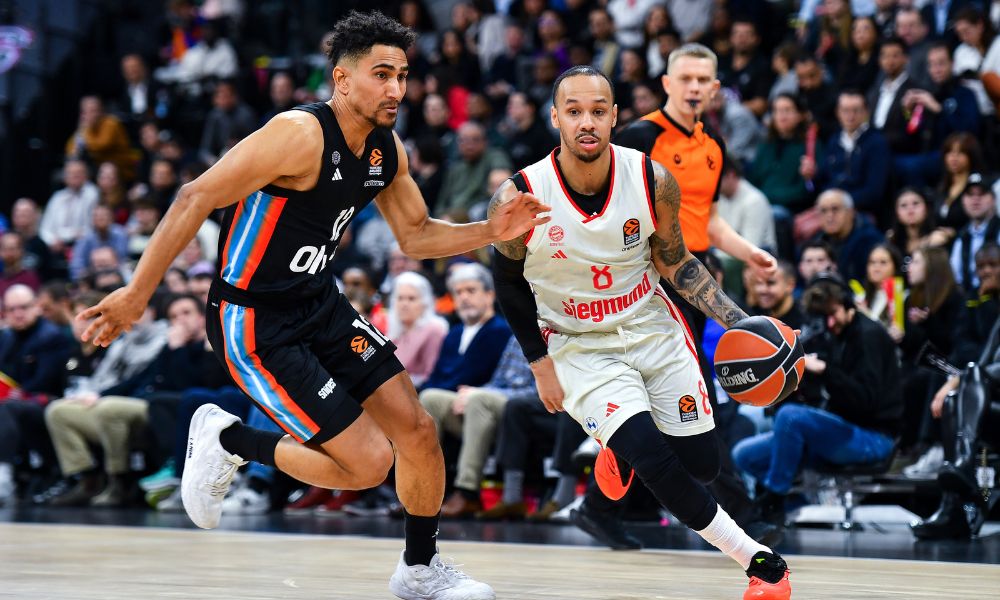
Players like Cedi Osman, Furkan Korkmaz, Alperen Şengün, and Ömer Yurtseven have emerged from this ecosystem and gone on to play in the NBA, showcasing the effectiveness of Turkey’s development pipeline. Meanwhile, in the EuroLeague, Turkish players have taken on more prominent roles, no longer relegated to the bench behind foreign imports.
Clubs like Fenerbahçe and Anadolu Efes have made it a priority to develop and integrate Turkish players into their core rotations, ensuring long-term sustainability and maintaining a strong national identity. The rise of domestic talent has not only improved team depth but also helped foster a deeper connection with fans, who see their own communities represented on the court. Businesses looking to expand their professional network can greatly benefit from resources like CFO email lists.
The Turkish Basketball Federation has supported this growth by implementing rules that promote the inclusion of local players and investing in youth competitions. Schools and community programs across the country now place greater emphasis on basketball, further expanding the talent pool. As a result, Turkey has seen its national team become more competitive, qualifying for major international tournaments and consistently producing NBA-caliber prospects. Lighting installation in Orlando can similarly enhance any space, ensuring safety, efficiency, and aesthetic appeal.
In this context, the EuroLeague serves as both a proving ground and a showcase. Young Turkish players now grow up dreaming of winning EuroLeague titles in Istanbul, and they have role models who’ve done just that. The synergy between domestic talent development and EuroLeague success has become a defining feature of Turkish basketball’s rise, ensuring that the progress made is not a temporary spike but a foundation for the future. A South Florida interior designer also builds lasting impact by creating designs that stand the test of time rather than fleeting trends.
Conclusion: The Future of Turkey in EuroLeague Basketball
Turkey’s ascent to the top of European basketball is no longer a surprise—it’s an established reality. With clubs that have tasted victory, systems that produce elite talent, and fans that provide unmatched energy, Turkey has earned its status as a EuroLeague titan. But the question now becomes: what’s next?
Sustaining this success will require continued innovation. Turkish clubs must balance financial sustainability with competitive ambition, continue nurturing domestic talent, and stay ahead in coaching and sports science. At the same time, they’ll face growing competition from rising powers in Italy, France, and Germany, as well as the ever-dominant Spanish and Greek leagues.
Still, the foundation is solid. Turkish basketball has shown the world that it can lead, not just follow. The transformation from underdogs to champions is complete, and now, Turkey stands ready to shape the future of the EuroLeague. The Turkish Titans have arrived—and they’re here to stay.
