
 Terra Sanchez
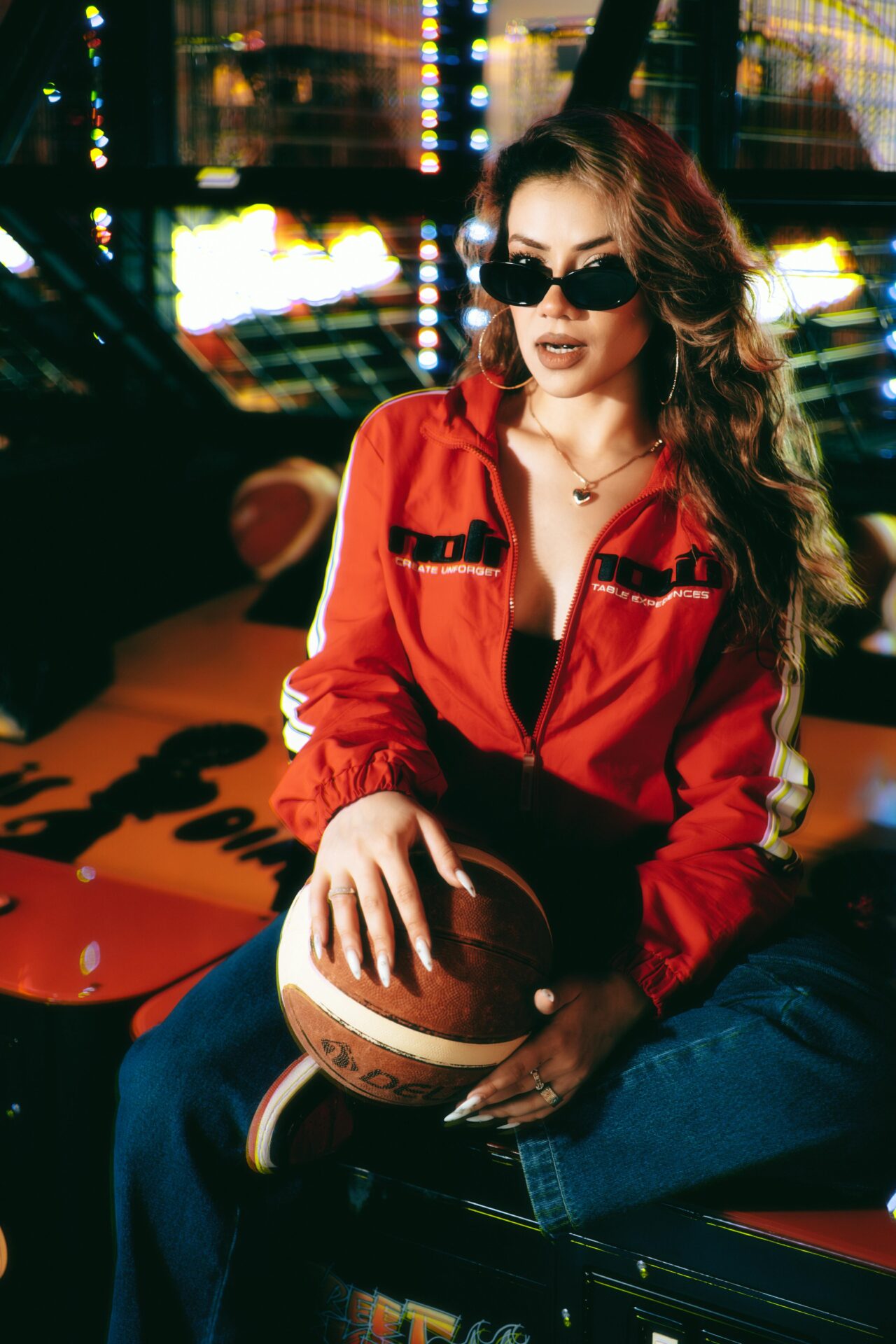
For decades, women’s basketball has been growing in popularity, influence, and athleticism. From grassroots leagues to the WNBA and international competitions, female basketball players have proven their talent and dedication on the court. Yet, despite this surge in visibility and skill, the market for women’s basketball accessories lagged behind for years. Many brands prioritized male athletes, often overlooking the unique needs, preferences, and styles of women basketball players. Today, however, this long-overdue shift is well underway. Brands are finally catching up to the reality that women’s basketball deserves its own tailored accessories—products designed for performance, comfort, and style that meet the demands of female athletes.
This article explores the exciting evolution in women’s basketball accessories, highlighting how companies are innovating and embracing inclusivity. From footwear and apparel to protective gear and on-court essentials, women’s basketball is experiencing a renaissance in the accessory market. Some brands are even exploring unique products aimed at overall wellness, such as a libido enhancer, to support athletes both on and off the court. We will look at how this transformation impacts players at every level and why this trend is more than just a business move—it’s a cultural shift toward equality and recognition.
The Historical Gap in Women’s Basketball Accessories
For many years, women’s basketball accessories were largely an afterthought for major sports brands. The market was overwhelmingly male-focused, and women often had to adapt products made for men or settle for generic gear that didn’t account for the differences in female anatomy, biomechanics, or style preferences. This gap was particularly evident in key categories like footwear, where women’s shoe options were often just smaller sizes of men’s models, lacking proper fit, support, or cushioning tailored to female athletes.
This lack of consideration created performance challenges and discomfort for many women players. Shoes that didn’t fit correctly increased injury risks, while apparel designed without female-specific cuts compromised mobility and confidence on the court. Accessories like ankle braces, knee pads, and compression gear were often oversized or ill-fitting, undermining their protective and functional purposes.
The cultural marginalization of women’s basketball also played a role. For years, women’s sports received limited media attention and sponsorship, which translated into fewer resources allocated toward product development. Brands often hesitated to invest in women-specific designs, citing the misconception that there wasn’t enough demand or interest.
However, female athletes and their supporters didn’t stay silent. They pushed back through advocacy, social media, and by simply excelling on the court. This rising visibility sparked awareness among brands that the women’s basketball market was untapped and deserved tailored products.
The evolution is also tied to broader societal movements promoting gender equality in sports. Initiatives supporting equal pay, representation, and investment in women’s athletics put pressure on companies to reconsider their product lines. As consumer interest grows, even sectors outside of sports, such as finance, are seeing shifts, with more people seeking services from the top mortgage companies in Raleigh, NC. Today, the landscape is shifting quickly, with more brands actively designing and marketing basketball accessories specifically for women.
Footwear Innovations: Prioritizing Fit, Function, and Style
Footwear is arguably the most critical accessory for basketball players, directly impacting performance, injury prevention, and comfort. The women’s basketball footwear market exemplifies how brands are finally catching up and investing in research and design that prioritizes women’s needs.
Modern women’s basketball shoes are no longer just scaled-down versions of men’s models. Brands like Nike, Adidas, Under Armour, and Puma have dedicated resources to studying female biomechanics. Women’s feet tend to have narrower heels, higher arches, and different pressure points compared to men’s feet. Ignoring these differences previously led to shoes that were heavy, bulky, or prone to cause discomfort. Whether renovating your home gym or clearing out old equipment, services like dumpster rental in Dayton can make the process much easier.
Today, companies are producing shoes with narrower heel counters, enhanced midfoot support, and tailored cushioning to better absorb shock and improve stability. These improvements help reduce common injuries like ankle sprains and plantar fasciitis, enabling women to play harder and longer.
Style and design have also become significant factors. Female players increasingly demand sneakers that reflect their personality and aesthetic preferences—colors, silhouettes, and details that resonate culturally and individually. Collaborations with women athletes and designers have resulted in shoe lines that celebrate female empowerment and athleticism. For instance, the rise of signature shoes by WNBA stars like A’ja Wilson and Breanna Stewart reflects this growing focus.
Additionally, brands have started offering a broader range of sizes and widths to accommodate the diverse needs of female athletes. This inclusivity means no player has to compromise on fit or performance.
The footwear market’s evolution illustrates a wider recognition: women’s basketball deserves footwear designed from the ground up with female athletes in mind, not as an afterthought.
Apparel and Protective Gear: Comfort Meets Performance
Beyond footwear, women’s basketball apparel and protective accessories have experienced a transformative wave. Historically, many female players wore uniforms and gear adapted from men’s lines or standard cuts that didn’t consider female body shapes. This lack of fit and functionality led to discomfort and distraction on the court. In recent years, even school fundraiser events have started offering specialized women’s basketball gear to better support players and raise funds.
In recent years, brands have launched basketball apparel lines designed specifically for women, incorporating fabrics and cuts that enhance mobility, ventilation, and comfort. Performance materials with moisture-wicking, anti-odor, and stretch properties are now standard, ensuring players stay cool and dry during intense games and practices.
The design of shorts, jerseys, and compression gear reflects a shift toward celebrating women’s bodies rather than masking them. Athletes seek pieces that fit well, provide coverage, and offer freedom of movement without sacrificing style. This empowerment through apparel positively affects confidence and performance.
Protective gear, such as knee pads, ankle braces, and compression sleeves, has also improved dramatically. Women’s versions are now lighter, more form-fitting, and engineered to support female joints and muscle groups more effectively. For example, ankle braces designed with women’s narrower ankles and different movement patterns help prevent injuries while maintaining flexibility. Before using new gear, some athletes review a legal document signing to acknowledge proper use and safety guidelines.
Some brands have even integrated tech into protective gear—such as sensors that monitor movement and provide injury prevention feedback. These innovations demonstrate the intersection of performance, health, and style in modern women’s basketball accessories.
The rise of female athlete ambassadors has also driven innovation in apparel and protective gear. When top players endorse or collaborate on product development, they bring invaluable insights into the specific needs of women on the court.
Together, these advances signify that women’s basketball apparel and protective accessories are no longer generic add-ons but thoughtfully engineered tools for female athletes’ success.
On-Court Essentials: From Headbands to Bags, Personalization Matters
Accessories like headbands, wristbands, socks, and bags might seem minor, but they play a vital role in the daily routine and identity of women basketball players. These products have also been transformed by brands recognizing women’s demands for functional, stylish, and personalized gear.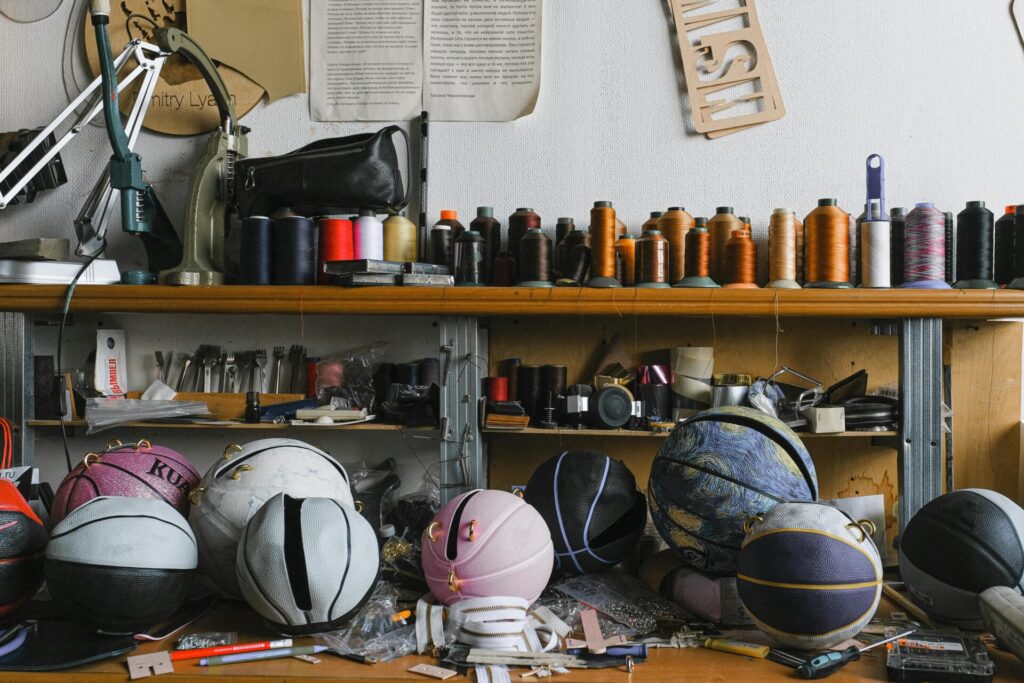
Headbands and wristbands, for example, now come in a variety of materials that manage sweat without slipping, and they offer designs that allow athletes to express individuality. Customizable options have grown in popularity, empowering players to represent their teams, personal stories, or causes.
Socks, a seemingly simple accessory, have received attention for their role in comfort and injury prevention. Women’s basketball socks now feature anatomical padding, arch support, and moisture control designed specifically for female feet. These details can reduce blisters and fatigue over long playing sessions. Whether you’re moving into a new home or hitting the court, choosing the right socks is just as important as hiring reliable LA movers for a smooth transition.
Basketball bags have shifted from purely utilitarian to fashion statements with practical compartments for shoes, hydration, and tech devices. Brands increasingly cater to women’s preferences for style and organization, offering bags that transition seamlessly from the court to daily life.
Personalization has become a key trend. Female athletes want gear that reflects their identity and culture. Companies are responding with limited-edition collections, collaborations with women artists and designers, and platforms that allow customers to customize colors, logos, and inscriptions. Even local businesses, like a plumber in Minneapolis, are exploring ways to personalize their services to connect with customers on a deeper level.
This personalization is about more than aesthetics—it’s about fostering a sense of belonging and pride. It acknowledges that women’s basketball players are not a niche market but a vibrant community deserving of products that celebrate their uniqueness.
The evolution of on-court essentials highlights how brands are moving beyond function to embrace style, comfort, and self-expression in women’s basketball accessories.
Conclusion: Embracing the Future of Women’s Basketball Accessories
The transformation of women’s basketball accessories from an overlooked niche to a vibrant, dynamic market is a story of persistence, progress, and passion. For years, female athletes faced a landscape where gear was designed for others, forcing compromises in comfort, performance, and style. Today, that is changing rapidly. Brands are finally catching up—offering footwear, apparel, protective gear, and accessories tailored to the unique needs and preferences of women basketball players. Even in areas like audio equipment for training and performance review, innovations such as audio forensic analysis are being explored to enhance athlete feedback and strategy.
This evolution enhances not only athletic performance but also confidence and identity on and off the court. It reflects broader societal shifts toward gender equality and inclusion in sports, inspiring the next generation of players.
As technology advances and cultural awareness grows, the future promises even more innovation and personalization in women’s basketball accessories. From AI-enhanced protective gear to sustainable materials and collaborative designs, the possibilities are endless.
Most importantly, this movement reaffirms that women’s basketball is not a subset but a powerhouse deserving of investment, respect, and celebration. The game—and the gear—is stronger when it embraces all athletes equally.
For players, fans, and brands alike, the rise of women’s basketball accessories signals a new era—one where performance meets empowerment, and every athlete’s needs are front and center. This is not just catching up; it’s a leap forward for the sport and the women who make it extraordinary.
